Wintergreen
Gaultheria procumbens
Description
overall appearance
Wintergreen is a low-growing evergreen subshrub, typically 3-6 inches tall, forming colonies through underground rhizomes.
roots
Shallow, spreading rhizome system with fine roots that form extensive mats in suitable acidic soil conditions.
stem
Short, creeping stems are woody at the base with upright branches bearing leaves clustered toward the tips.
leaves
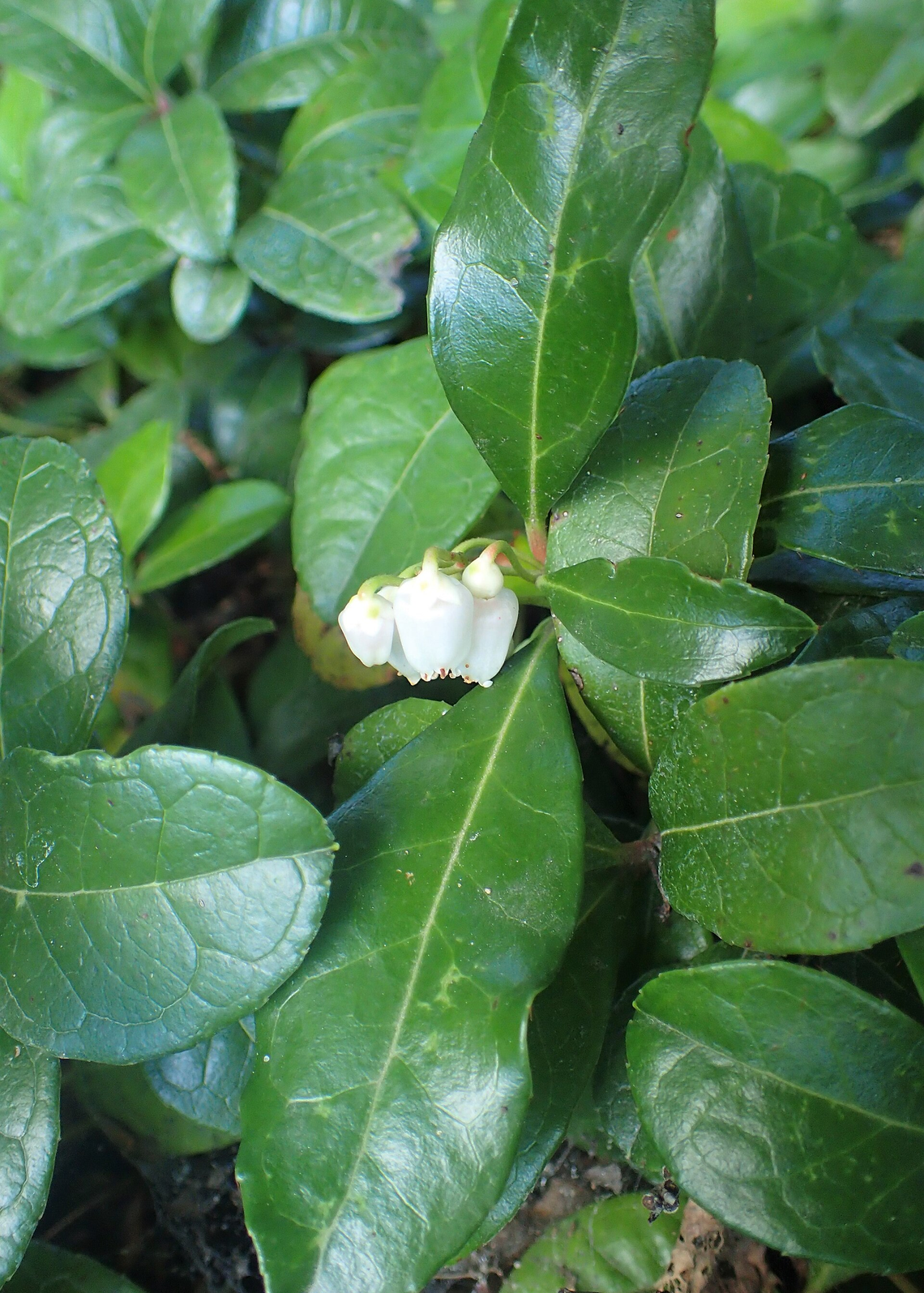
Alternate, oval evergreen leaves are 1-2 inches long with serrated margins. Leaves are dark green, glossy, and aromatic when crushed.
flowers
Small, white, bell-shaped flowers hang singly from leaf axils in summer. Flowers are waxy and about 1/4 inch long.
fruits/seeds
Bright red berries about 1/4 inch diameter persist through winter. Berries are edible with a strong wintergreen flavor.
Active Compounds
Traditional Uses
- Pain relief and anti-inflammatory conditions
- Rheumatism and arthritis
- Muscle and joint pain
- Headaches and neuralgia
- Respiratory conditions
- Digestive ailments
Modern Applications
- Topical pain relief for muscles and joints
- Natural source of methyl salicylate
- Flavoring agent for foods and medicines
- Anti-inflammatory for external use
- Aromatherapy and liniments
⚠️ Safety Information
Contraindications
- Salicylate allergy or aspirin sensitivity
- Children under 16 (due to salicylate content and Reye's syndrome risk)
- Pregnancy and breastfeeding (high salicylate content)
- Blood clotting disorders
Side Effects
- Skin irritation with prolonged topical use
- Possible systemic salicylate effects with excessive use
- Gastric upset if consumed in large quantities
- Potential for salicylate toxicity
Drug Interactions
- May enhance effects of blood-thinning medications
- Possible interactions with diabetes medications
- May increase effects of other salicylate-containing drugs
- Caution with kidney medications
Parts Used
- Leaves (primary medicinal part)
- Berries (edible, mild medicinal value)
Preparation Methods
1 tsp dried leaves per cup water, steep 10-15 minutes
Leaves steeped in carrier oil for topical use
Alcohol-based preparation for external application
Fresh crushed leaves applied directly to skin
For respiratory conditions
Related Plants
Cranberry
Vaccinium macrocarpon
Uva Ursi
Arctostaphylos uva-ursi
Angelica
Angelica archangelica
Oregano
Origanum vulgare
Bloodroot
Sanguinaria canadensis
Chickweed
Stellaria media