Description
overall appearance
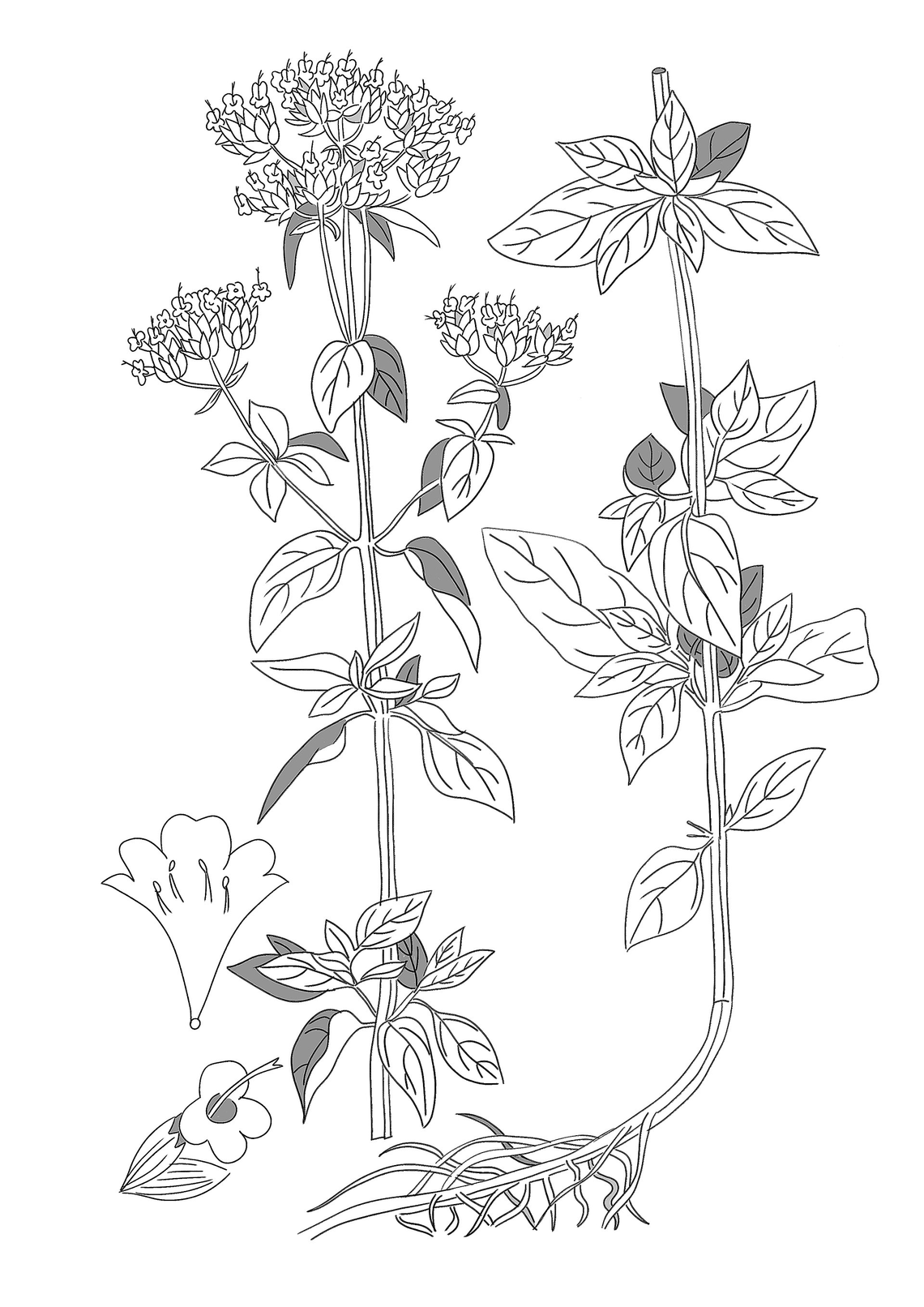
Perennial herb growing 1-3 feet tall with aromatic, oval leaves and clusters of small pink to purple flowers; forms spreading clumps through rhizomes.
roots
Fibrous root system with creeping rhizomes that allow the plant to spread and form colonies.
stem
Square, branching stems (characteristic of mint family) that are often reddish and covered with fine hairs; stems become somewhat woody at base.
leaves
Opposite, oval leaves 1/2 to 1 inch long with smooth or slightly serrated margins; leaves are dark green and highly aromatic when crushed.
flowers
Small, tubular, two-lipped flowers arranged in dense terminal clusters; flowers are pink to purple, occasionally white, blooming from midsummer to fall.
fruits/seeds
Small, brown nutlets containing one seed each; fruits are tiny and dispersed by wind and animals.
Active Compounds
Traditional Uses
- Respiratory conditions (coughs, bronchitis, asthma)
- Digestive disorders and poor appetite
- Menstrual irregularities and painful periods
- Urinary tract infections
- Skin conditions and wounds
- Nervous tension and insomnia
- Rheumatism and muscle pain
Modern Applications
- Powerful antimicrobial and antifungal effects
- Respiratory infection treatment
- Digestive system support and appetite stimulation
- Anti-inflammatory properties
- Antioxidant protection and immune support
- Topical antiseptic for skin conditions
- Natural food preservation
⚠️ Safety Information
Contraindications
- Pregnancy in large medicinal doses (safe in culinary amounts)
- Blood clotting disorders (may affect clotting)
- Diabetes (may affect blood sugar)
- Surgery (discontinue 2 weeks prior)
Side Effects
- Generally very safe with minimal side effects
- Possible allergic reactions in sensitive individuals
- Skin irritation from undiluted essential oil
- Stomach upset with very large amounts
Drug Interactions
- Blood-thinning medications (may enhance effects)
- Diabetes medications (may affect blood sugar)
- Blood pressure medications (potential interaction)
Parts Used
- Leaves and flowering tops (primary medicinal parts)
- Essential oil distilled from aerial parts
Preparation Methods
1-2 teaspoons dried herb per cup boiling water, steep 5-10 minutes
Fresh or dried herb in hot water for respiratory congestion
1:5 ratio in 45% alcohol, 2-4 ml three times daily
Diluted 1-2% in carrier oil for topical antimicrobial use
Strong tea applied to wounds or inflamed areas
Related Plants
Basil
Ocimum basilicum
Cat's Whiskers / Java Tea
Orthosiphon aristatus
Catnip
Nepeta cataria
Elecampane
Inula helenium
Angelica
Angelica archangelica
Blue Cohosh
Caulophyllum thalictroides