Description
overall appearance
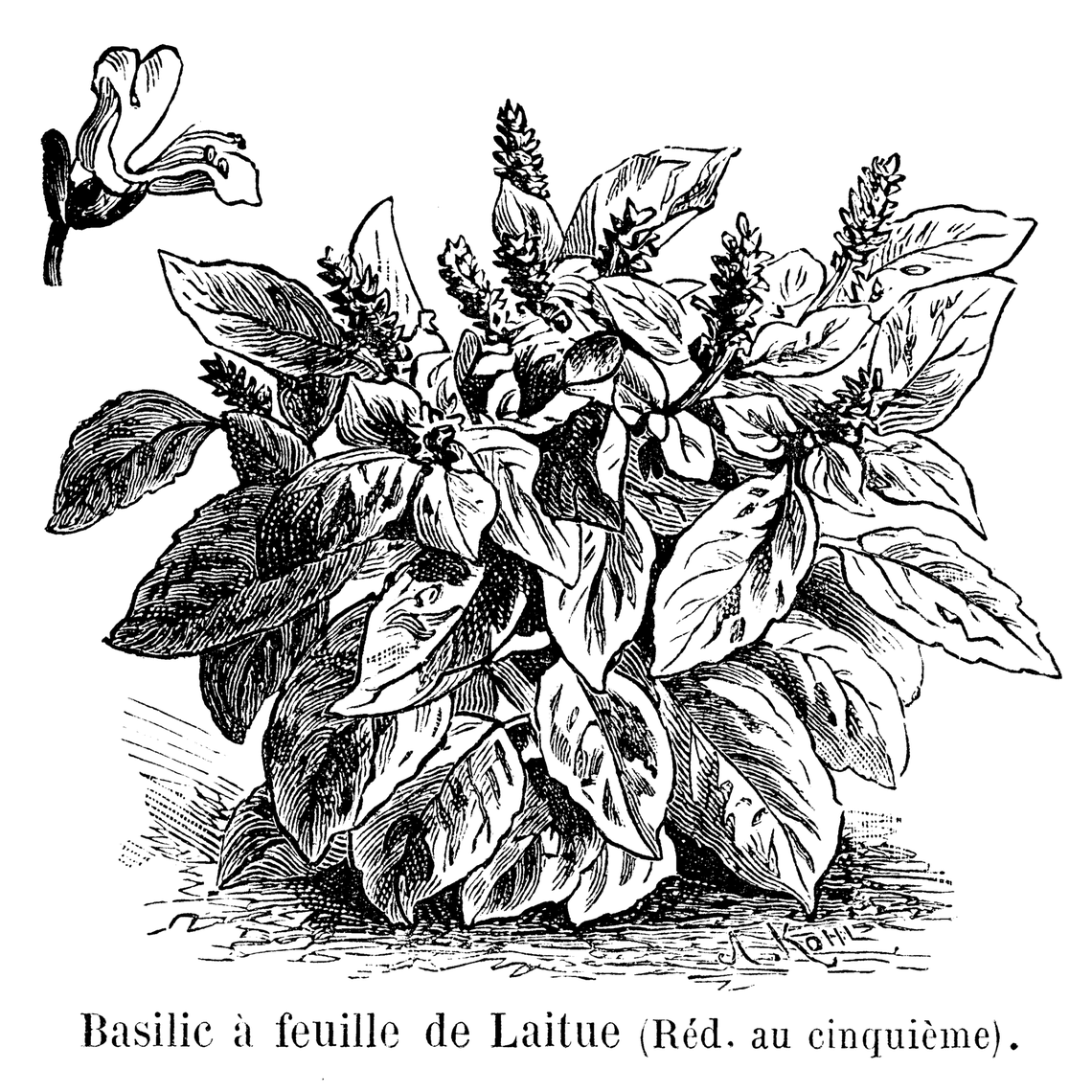
Annual herb growing 1-3 feet tall with a bushy, upright growth habit and distinctive aromatic foliage.
roots
Fibrous root system with a central taproot extending 12-18 inches deep; numerous lateral roots for nutrient absorption.
stem
Square, hollow stems characteristic of the mint family; green to purple-tinged; branching extensively when pinched or harvested.
leaves
Opposite, ovate to elliptical leaves 2-4 inches long; smooth, glossy surface with prominent veins; bright green color with smooth or slightly serrated margins.
flowers
Small white, pink, or purple flowers arranged in terminal spikes; tubular shape typical of mint family; appear in late summer if allowed to flower.
fruits/seeds
Small, dark brown to black nutlets containing four seeds; produced after flowering but harvesting leaves before flowering maintains plant vigor.
Active Compounds
Traditional Uses
- Digestive disorders and stomach upset
- Respiratory ailments including coughs and bronchitis
- Nervous tension and stress relief
- Topical treatment for insect bites and minor wounds
- Fever reduction and general tonic
- Women's health including menstrual irregularities
Modern Applications
- Antioxidant and anti-inflammatory support
- Digestive health and gastric protection
- Stress and anxiety management
- Antimicrobial and antifungal properties
- Cognitive function and mental clarity
- Blood sugar regulation support
⚠️ Safety Information
Contraindications
- Avoid large medicinal doses during pregnancy
- Caution with bleeding disorders due to eugenol content
- Avoid before surgery due to potential blood-thinning effects
Side Effects
- Generally well-tolerated in culinary amounts
- Large doses may cause digestive upset
- Skin sensitivity possible with concentrated essential oil
Drug Interactions
- May enhance effects of blood-thinning medications
- Potential interaction with diabetes medications
- Caution with sedative medications due to calming effects
Parts Used
- Fresh or dried leaves (primary)
- Essential oil
- Seeds (occasionally)
Preparation Methods
1-2 teaspoons dried leaves or 2-3 teaspoons fresh leaves per cup boiling water; steep 5-10 minutes
Not typically used for basil leaves due to volatile oil content
1:5 ratio with 40% alcohol; macerate for 2-4 weeks
Fresh crushed leaves applied directly to insect bites or minor cuts
Fresh leaves in carrier oil for 2-4 weeks; strain for topical use
Related Plants
Cat's Whiskers / Java Tea
Orthosiphon aristatus
Catnip
Nepeta cataria
Chaste Tree
Vitex agnus-castus
St. John's Wort
Hypericum perforatum
Andrographis
Andrographis paniculata
Ashitaba
Angelica keiskei