Description
overall appearance
Large deciduous shrub or small tree growing 8-20 feet tall with aromatic, palmate leaves and long spikes of purple, blue, or white flowers.
roots
Deep taproot system with spreading lateral roots; roots are woody and help anchor the plant in sandy or rocky soils.
stem
Multiple woody stems with gray-brown bark; young branches are square in cross-section (characteristic of mint family) and covered with fine hairs.
leaves
Opposite, palmately compound leaves with 5-7 lance-shaped leaflets; leaflets are 2-4 inches long, gray-green above, whitish beneath with aromatic scent.
flowers
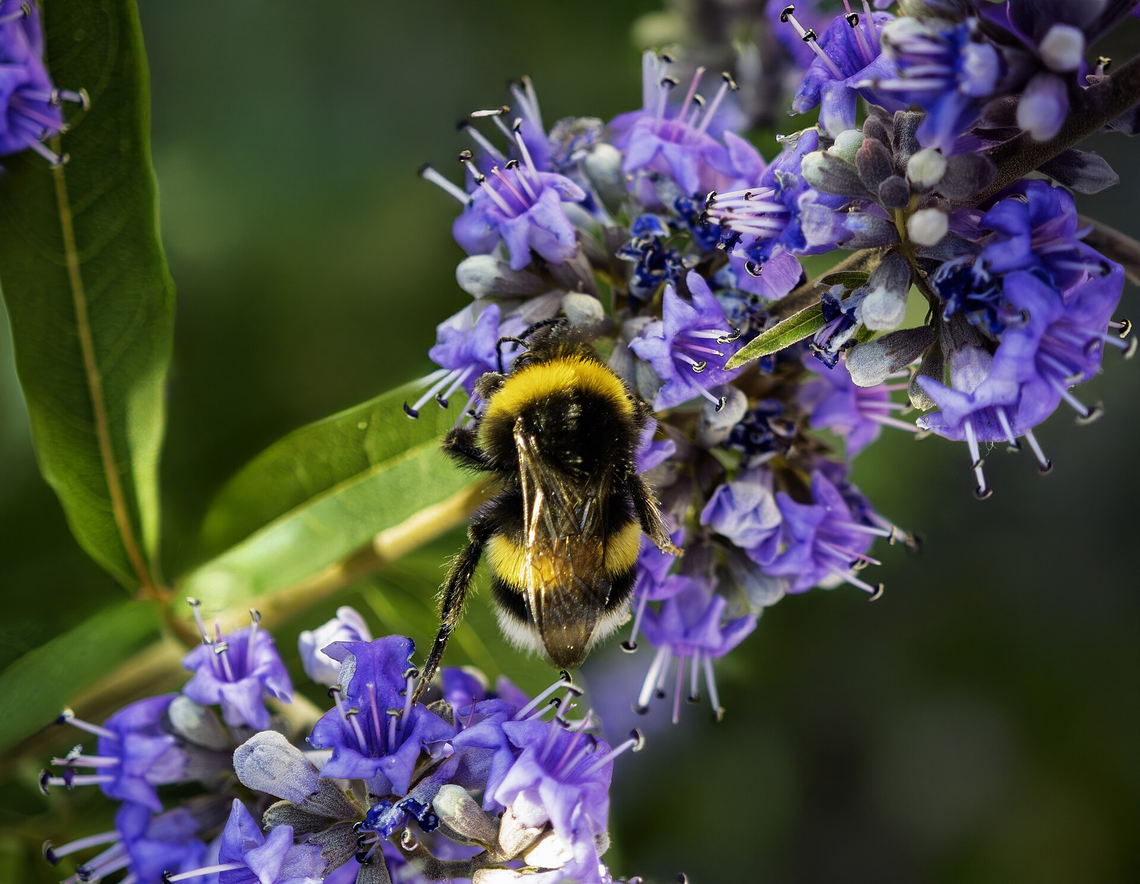
Small, tubular, fragrant flowers arranged in dense, upright spikes 4-12 inches long; flowers are typically purple-blue but can be pink or white.
fruits/seeds
Small, round, dark purple berries about 1/4 inch diameter; berries have a peppery taste and contain 4 small seeds surrounded by aromatic flesh.
Active Compounds
Traditional Uses
- Menstrual irregularities and PMS
- Fertility enhancement and reproductive health
- Menopausal symptoms and hormonal balance
- Breast pain and tenderness
- Lactation disorders (both excess and deficiency)
- Male sexual health and prostate support
- Digestive complaints and stomach problems
Modern Applications
- Premenstrual syndrome (PMS) symptom relief
- Irregular menstrual cycles and luteal phase defects
- Hyperprolactinemia and associated symptoms
- Menopausal transition support
- Acne related to hormonal imbalances
- Fibrocystic breast disease
- Infertility support (female)
⚠️ Safety Information
Contraindications
- Pregnancy and breastfeeding (hormonal effects)
- Hormone-sensitive conditions (breast cancer, endometriosis)
- IVF treatments (may interfere with protocols)
- Dopamine agonist medications
Side Effects
- Nausea or gastrointestinal upset
- Headache or dizziness
- Acne flare-ups (initial adjustment period)
- Allergic skin reactions (rare)
- Changes in menstrual flow
Drug Interactions
- Hormone medications (birth control pills, HRT)
- Dopamine receptor antagonists
- Prolactin-related medications
- Fertility drugs and treatments
Parts Used
- Berries/fruits (primary medicinal part)
- Occasionally leaves in traditional preparations
Preparation Methods
1-2 teaspoons dried berries per cup water, simmer 10-15 minutes
1:5 ratio in 60% alcohol, 2-5 ml daily in morning
20-40mg daily of extract standardized to 0.5% agnuside
175-225mg standardized extract daily
1 teaspoon crushed berries per cup hot water, steep 10-15 minutes
Related Plants
Basil
Ocimum basilicum
Cat's Whiskers / Java Tea
Orthosiphon aristatus
Catnip
Nepeta cataria
Dong Quai
Angelica sinensis
Fennel
Foeniculum vulgare
Shatavari
Asparagus racemosus