Description
overall appearance
Perennial herb growing 2-3 feet tall with pinnately compound leaves and white umbrella-like flower clusters; develops a thick, aromatic root.
roots
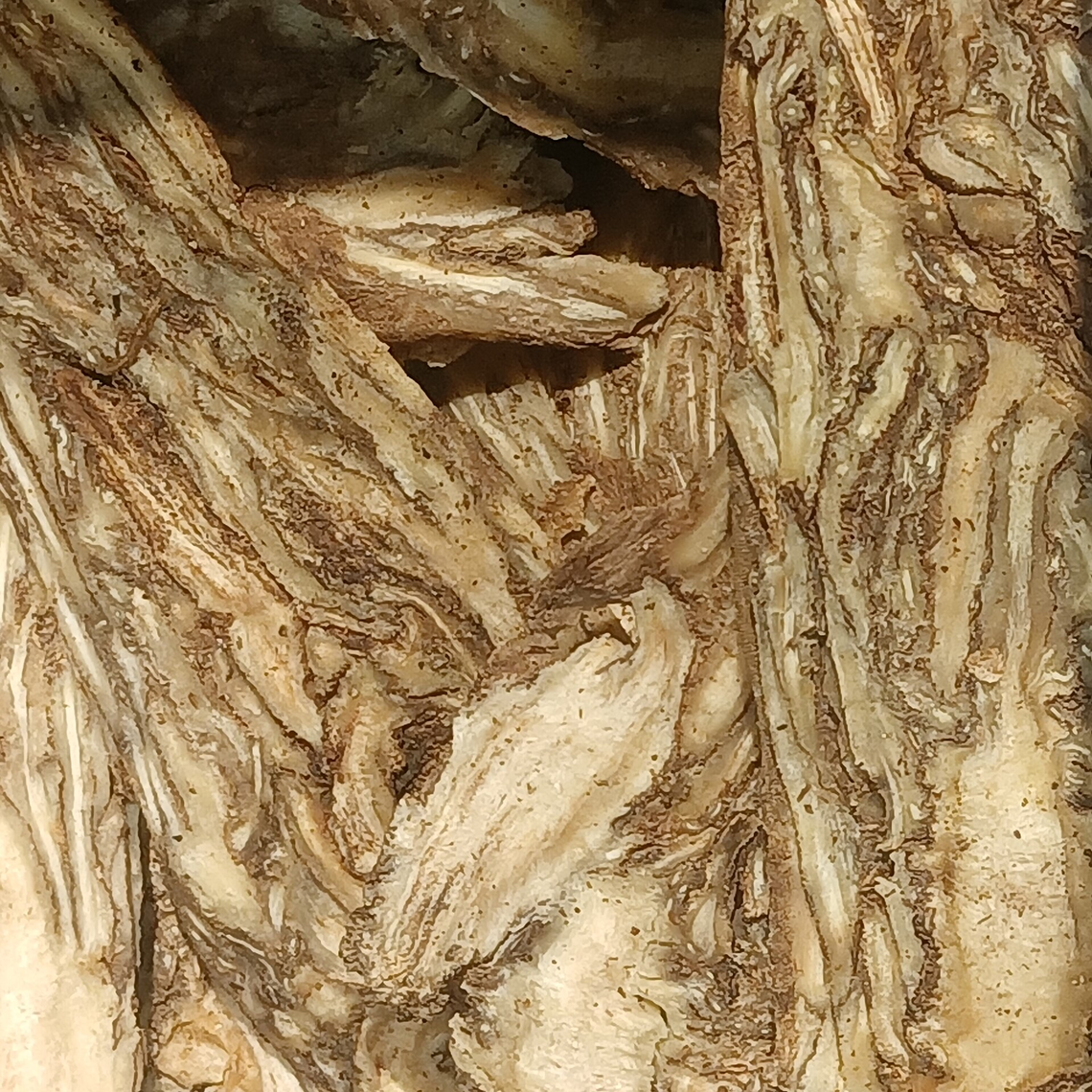
Thick, branched taproot with a distinctive sweet, pungent aroma; roots are tan to brown externally, whitish to yellowish internally, and have a sweet then bitter taste.
stem
Hollow, ridged stems that are purple-tinged and smooth; stems branch toward the top to support the umbrella-like flower clusters.
leaves
Large, alternate, pinnately compound leaves with multiple leaflets; leaflets are ovate with serrated margins and can be 2-3 inches long.
flowers
Small, white flowers arranged in large, compound umbels (umbrella-like clusters) 4-6 inches across; flowers bloom from July to August.
fruits/seeds
Small, oval, ribbed fruits (schizocarps) that split into two one-seeded halves; fruits are brown and aromatic when mature.
Active Compounds
Traditional Uses
- Menstrual irregularities and painful menstruation
- Menopausal symptoms and hormonal balance
- Blood deficiency and anemia (Traditional Chinese Medicine)
- Digestive weakness and poor appetite
- Circulation problems and cold extremities
- Arthritis and joint pain
- Post-partum recovery and lactation support
Modern Applications
- Menstrual cycle regulation and PMS relief
- Menopausal symptom management
- Cardiovascular health and circulation
- Anti-inflammatory effects for arthritis
- Liver protection and detoxification
- Immune system support
- Potential neuroprotective effects
⚠️ Safety Information
Contraindications
- Pregnancy (may stimulate uterine contractions)
- Heavy menstrual bleeding (may increase bleeding)
- Acute diarrhea or digestive inflammation
- Blood clotting disorders
- Hormone-sensitive cancers
Side Effects
- Increased menstrual bleeding
- Gastrointestinal upset or diarrhea
- Photosensitivity (skin sensitivity to sunlight)
- Allergic reactions in sensitive individuals
Drug Interactions
- Blood-thinning medications (may enhance effects)
- Hormone medications (may interact)
- Digoxin (may affect levels)
- Photosensitizing medications
Parts Used
- Roots (primary medicinal part)
- Occasionally aerial parts in traditional preparations
Preparation Methods
3-15 grams dried root per day, simmered 20-30 minutes
Traditional preparation with rice wine
1:5 ratio in 60% alcohol, 2-4 ml twice daily
1-3 grams powdered root daily
Often used with other herbs in Traditional Chinese Medicine
Related Plants
Angelica
Angelica archangelica
Ashitaba
Angelica keiskei
Celery Seed
Apium graveolens
Cinnamon
Cinnamomum verum
Rehmannia
Rehmannia glutinosa
Turmeric
Curcuma longa