Description
overall appearance
Medium to large deciduous tree growing 40-60 feet tall with a broad, open crown and distinctive reddish-brown, mucilaginous inner bark.
roots
Deep taproot with extensive lateral root system; roots are fibrous and help prevent soil erosion along waterways.
stem
Straight trunk with dark brown, furrowed outer bark and distinctive reddish, mucilaginous inner bark that gives the tree its common name.
leaves
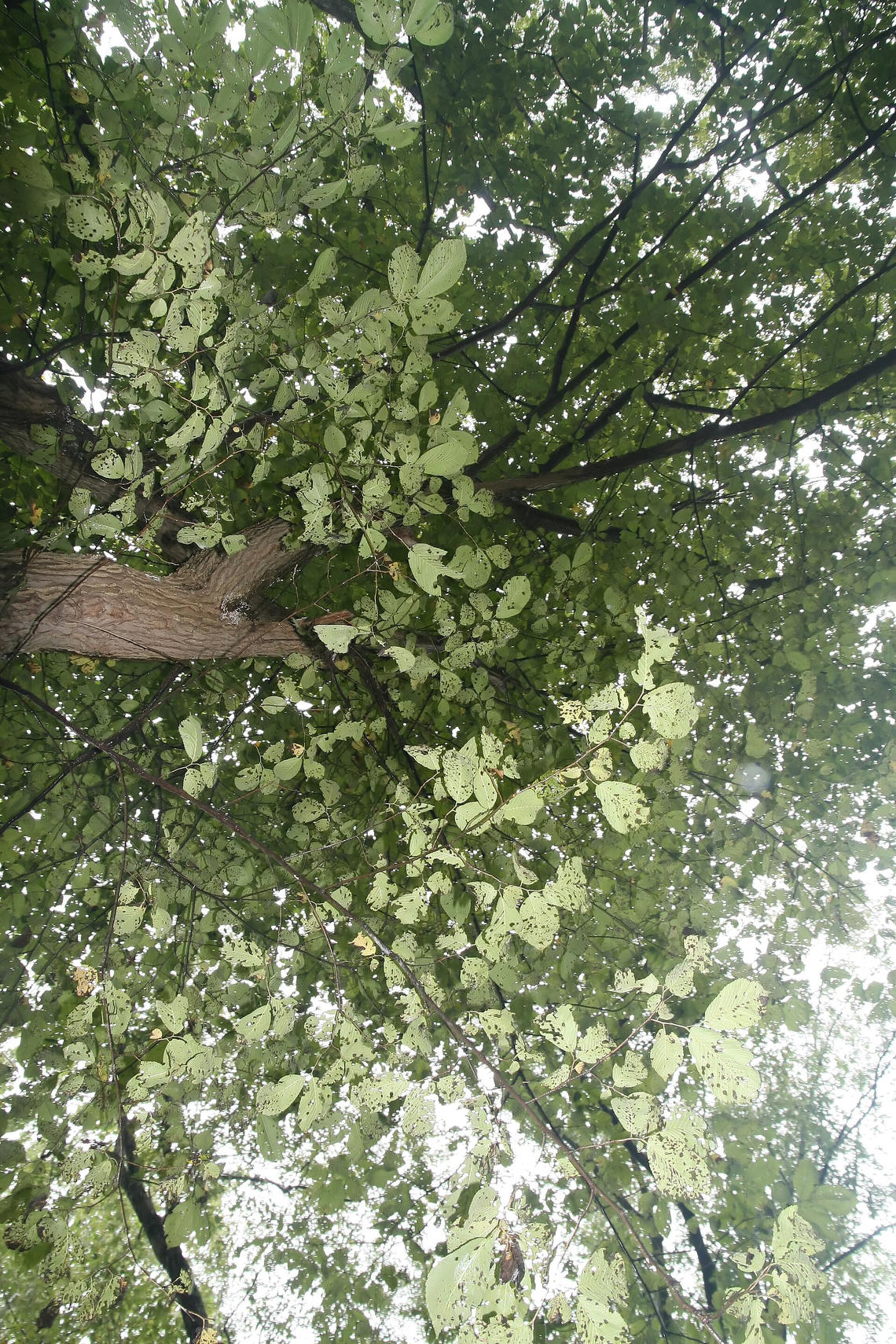
Alternate, simple, oval leaves 4-8 inches long with doubly serrated margins; leaves are dark green, rough-textured above, and softer beneath.
flowers
Small, inconspicuous, reddish-brown flowers that appear in dense clusters before the leaves emerge in early spring; flowers lack petals.
fruits/seeds
Round, flat, winged fruits (samaras) about 1/2 inch across with a papery wing surrounding a central seed; fruits mature in late spring.
Active Compounds
Traditional Uses
- Digestive disorders (diarrhea, dysentery, stomach ulcers)
- Respiratory conditions (sore throat, coughs, bronchitis)
- Skin conditions (wounds, burns, boils, inflammation)
- Urinary tract problems and kidney disorders
- Nutritional support during illness and convalescence
- Poultices for fractures and dislocations
- Eye inflammation and irritation
Modern Applications
- Gastrointestinal tract soothing and protection
- Irritable bowel syndrome (IBS) management
- Gastroesophageal reflux disease (GERD) relief
- Inflammatory bowel conditions support
- Throat and mouth inflammation treatment
- Skin healing and wound care
- Nutritional supplement during illness
⚠️ Safety Information
Contraindications
- No known absolute contraindications
- Pregnancy (traditional contraindication, though likely safe)
- May delay absorption of medications
Side Effects
- Generally extremely safe with minimal side effects
- Rare allergic reactions in sensitive individuals
- Possible constipation with very large amounts
- May slow absorption of other medications taken simultaneously
Drug Interactions
- May delay absorption of medications taken at the same time
- No known serious drug interactions
- Blood sugar medications (theoretical interaction due to fiber content)
Parts Used
- Inner bark (primary medicinal part)
- Occasionally outer bark preparations
Preparation Methods
1 tablespoon powdered bark mixed with water to form thick paste, then thinned
1-2 teaspoons powdered bark per cup boiling water, steep 15 minutes
1 tablespoon bark per cup water, simmer 20 minutes
Powdered bark mixed with water to form paste for external application
Traditional preparation with honey for throat conditions
Related Plants
Goldenseal
Hydrastis canadensis
Marshmallow
Althaea officinalis
Plantain
Plantago major
Birch
Betula spp.
Chamomile
Matricaria chamomilla
Chickweed
Stellaria media