Description
overall appearance
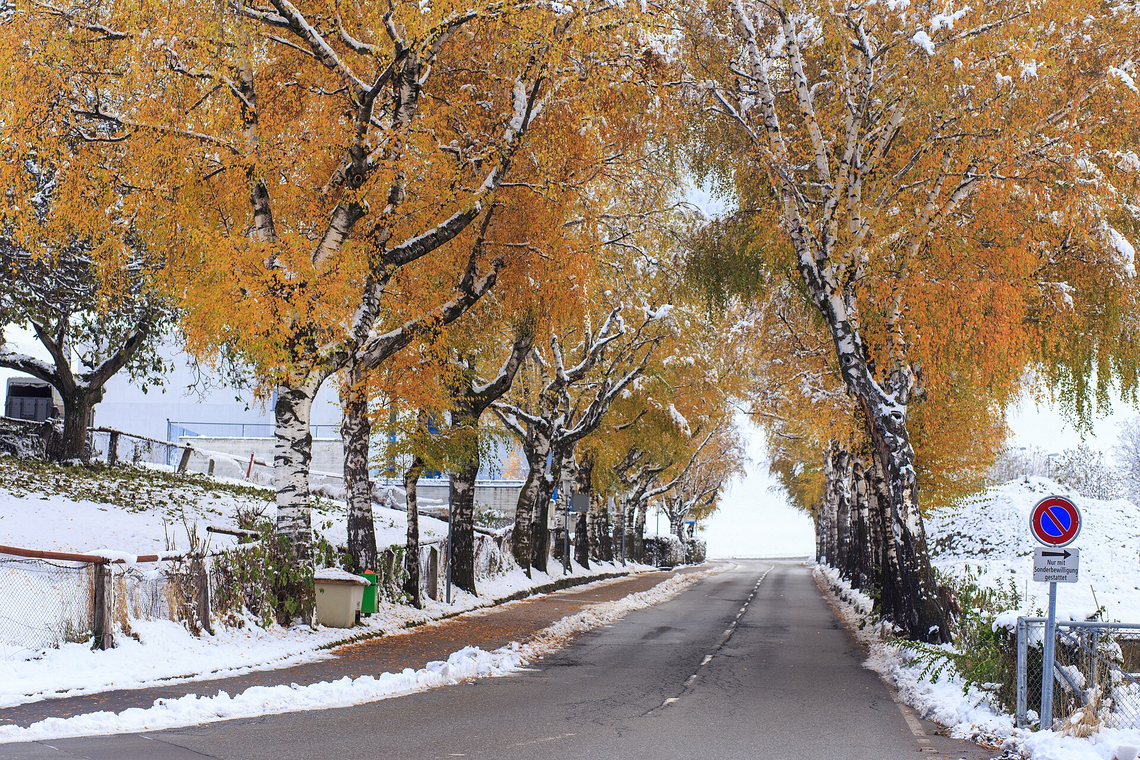
Deciduous trees reaching 40-70 feet tall with distinctive white, papery bark and catkin flowers.
roots
Shallow, spreading root system; forms symbiotic relationships with mycorrhizal fungi.
stem
Distinctive bark varies by species: white and papery (paper birch), yellow-bronze (yellow birch), or dark (river birch).
leaves
Alternate, serrated leaves 2-4 inches long; triangular to oval shape; bright green turning yellow in fall.
flowers
Wind-pollinated catkins; male catkins drooping, female catkins upright; appear before leaves.
fruits/seeds
Small, winged nutlets in cone-like structures; wind-dispersed; important food for birds.
Active Compounds
Traditional Uses
- Arthritis and joint pain
- Skin conditions including eczema and psoriasis
- Urinary tract infections and kidney stones
- Respiratory ailments and bronchitis
- Digestive disorders and liver support
- Wound healing and antiseptic applications
Modern Applications
- Anti-inflammatory and pain relief
- Skin care and dermatological conditions
- Urinary tract support and diuretic effects
- Antioxidant and liver protection
- Antimicrobial and antifungal properties
- Traditional pain relief (topical applications)
⚠️ Safety Information
Contraindications
- Salicylate allergy (aspirin allergy)
- Bleeding disorders (salicylate effects)
- Scheduled surgery within 2 weeks
- Children with viral infections (Reye's syndrome risk)
Side Effects
- Generally well-tolerated in normal doses
- Possible digestive upset with large doses
- Skin sensitivity with topical use in some individuals
- Salicylate sensitivity symptoms
Drug Interactions
- Blood-thinning medications (may enhance effects)
- Diabetes medications (may affect blood sugar)
- Kidney medications
- Other salicylate-containing medications
Parts Used
- Bark (inner bark preferred)
- Leaves (fresh or dried)
- Twigs and buds
- Birch tar (traditional distillation product)
Preparation Methods
2-3 teaspoons dried leaves per cup; steep 10-15 minutes
Bark simmered 20-30 minutes for stronger effects
1:5 ratio with 50% alcohol; macerate bark or leaves 4 weeks
Fresh crushed leaves for topical anti-inflammatory use
Bark or leaves in carrier oil for topical pain relief
Related Plants
Juniper
Juniperus communis
Coltsfoot
Tussilago farfara
Elecampane
Inula helenium
Evening Primrose
Oenothera biennis
Goldenseal
Hydrastis canadensis
Marshmallow
Althaea officinalis