Description
overall appearance
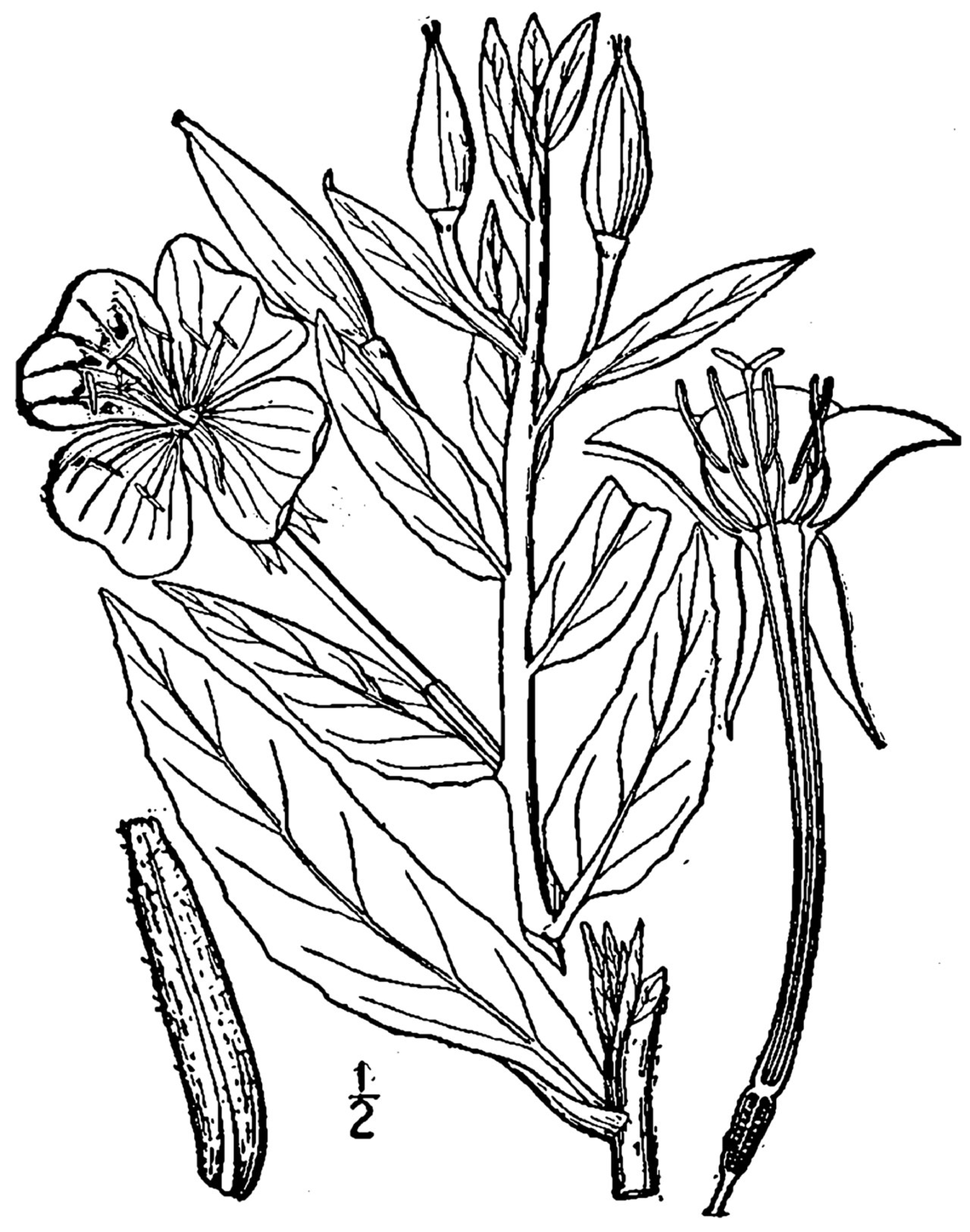
Biennial herb growing 3-8 feet tall in second year with rosette of leaves in first year and tall flower spike in second.
roots
Deep taproot in first year; thick, fleshy, and edible; white interior; stores energy for second-year flowering.
stem
Tall, erect stem in second year; hairy texture; branching in upper portions; reddish coloration possible.
leaves
Large basal rosette in first year; lance-shaped leaves 4-8 inches long; alternate on stem; slightly hairy with prominent veins.
flowers
Large, bright yellow flowers 1-2 inches across; four petals; open in evening; fragrant; attract night-flying moths.
fruits/seeds
Long, narrow seed capsules; numerous small, dark seeds; rich in gamma-linolenic acid (GLA).
Active Compounds
Traditional Uses
- Women's health and menstrual disorders
- Skin conditions including eczema
- Digestive disorders and stomach upset
- Respiratory ailments and coughs
- Wounds and bruises
- Arthritis and joint inflammation
Modern Applications
- Atopic dermatitis and eczema
- Premenstrual syndrome (PMS) and menopause
- Rheumatoid arthritis and inflammation
- Diabetic neuropathy
- Cardiovascular health support
- Skin health and anti-aging
⚠️ Safety Information
Contraindications
- Seizure disorders (theoretical lowering of seizure threshold)
- Scheduled surgery within 2 weeks (bleeding risk)
- Known allergies to evening primrose family
Side Effects
- Generally very well-tolerated
- Mild digestive upset with large doses
- Headache in some individuals initially
- Possible skin rash in sensitive people
Drug Interactions
- Anticoagulant medications (may enhance bleeding risk)
- Phenothiazine medications (seizure risk)
- Tamoxifen (may interfere with treatment)
Parts Used
- Seeds (oil extraction - primary commercial use)
- Seed oil (standardized GLA content)
- Leaves (traditional use)
- Roots (first-year roots for food and medicine)
Preparation Methods
Cold-pressed or solvent-extracted; standardized GLA content
2-3 teaspoons dried leaves per cup; steep 10-15 minutes
1:5 ratio with 40% alcohol; macerate leaves or roots 4 weeks
Fresh crushed leaves for topical wound healing
First-year roots cooked as food or medicine
Related Plants
Juniper
Juniperus communis
Ashitaba
Angelica keiskei
Basil
Ocimum basilicum
Birch
Betula spp.
Blessed Thistle
Cnicus benedictus
Cat's Claw
Uncaria tomentosa