Description
overall appearance
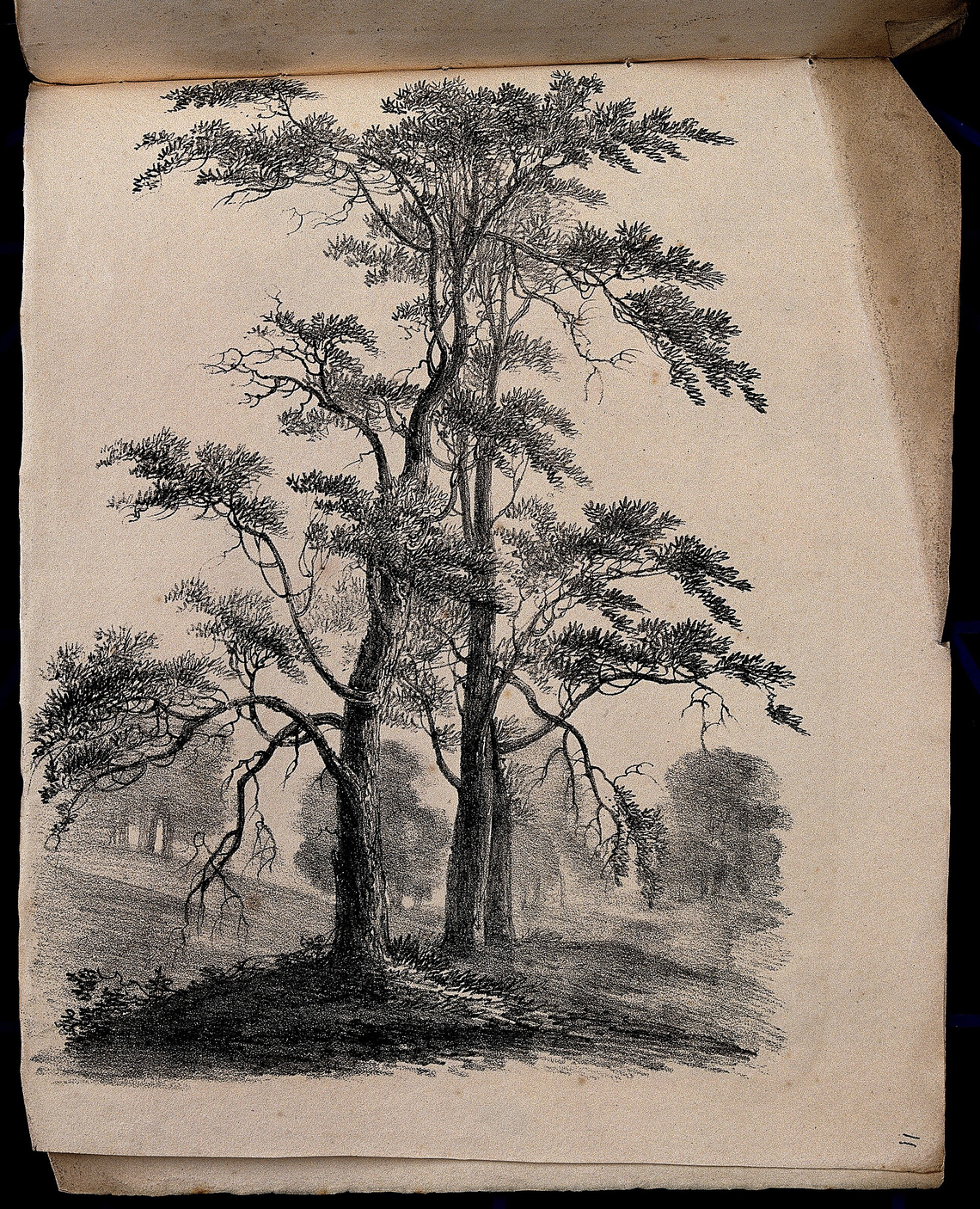
Evergreen coniferous trees growing 30-150 feet tall with needle-like leaves arranged in clusters and woody cones for reproduction.
roots
Extensive root system with deep taproot and spreading lateral roots; roots often form mycorrhizal associations with fungi.
stem
Straight trunk with scaly, reddish-brown to gray bark; branches arranged in whorls around the trunk in characteristic pine pattern.
leaves
Needle-like leaves arranged in clusters (fascicles) of 2-5 needles; needles are 2-5 inches long, blue-green to dark green, persisting for 2-7 years.
flowers
Small, inconspicuous male and female cones; male cones release pollen in spring while female cones develop into woody seed cones.
fruits/seeds
Woody cones containing winged seeds; cones mature in 2-3 years and release seeds for wind dispersal.
Active Compounds
Traditional Uses
- Scurvy prevention and vitamin C deficiency
- Respiratory conditions (coughs, bronchitis, sinusitis)
- Urinary tract infections and kidney stones
- Rheumatism and joint pain
- Skin conditions and wound healing
- Fatigue and general weakness
- Circulation problems and chilblains
Modern Applications
- Vitamin C supplementation and immune support
- Respiratory tract decongestant and expectorant
- Anti-inflammatory effects for airways
- Antimicrobial properties for infections
- Aromatherapy for stress and mental clarity
- Antioxidant protection and anti-aging
- Circulation enhancement and vascular health
⚠️ Safety Information
Contraindications
- Pregnancy (some species may stimulate uterine contractions)
- Kidney disease (high vitamin C and diuretic effects)
- Known allergies to pine or conifers
Side Effects
- Generally very safe with minimal side effects
- Possible skin irritation from direct needle contact
- Gastrointestinal upset with very large amounts
- Kidney irritation with excessive use
Drug Interactions
- Blood-thinning medications (vitamin C may affect)
- Kidney medications (diuretic effects)
- Iron supplements (vitamin C enhances absorption)
Parts Used
- Needles (primary medicinal part)
- Young shoots and buds
- Inner bark (traditional emergency food)
- Resin (traditional antiseptic use)
Preparation Methods
1-2 tablespoons fresh needles per cup boiling water, steep 5-10 minutes
1 tablespoon needles per cup water, simmer 10-15 minutes
1:5 ratio in 45% alcohol, 2-4 ml twice daily
Fresh needles in hot water for respiratory congestion
Strong decoction added to bath water for circulation and relaxation
Related Plants
Elecampane
Inula helenium
Oregano
Origanum vulgare
Angelica
Angelica archangelica
Ashitaba
Angelica keiskei
Astragalus
Astragalus membranaceus
Birch
Betula spp.