Description
overall appearance
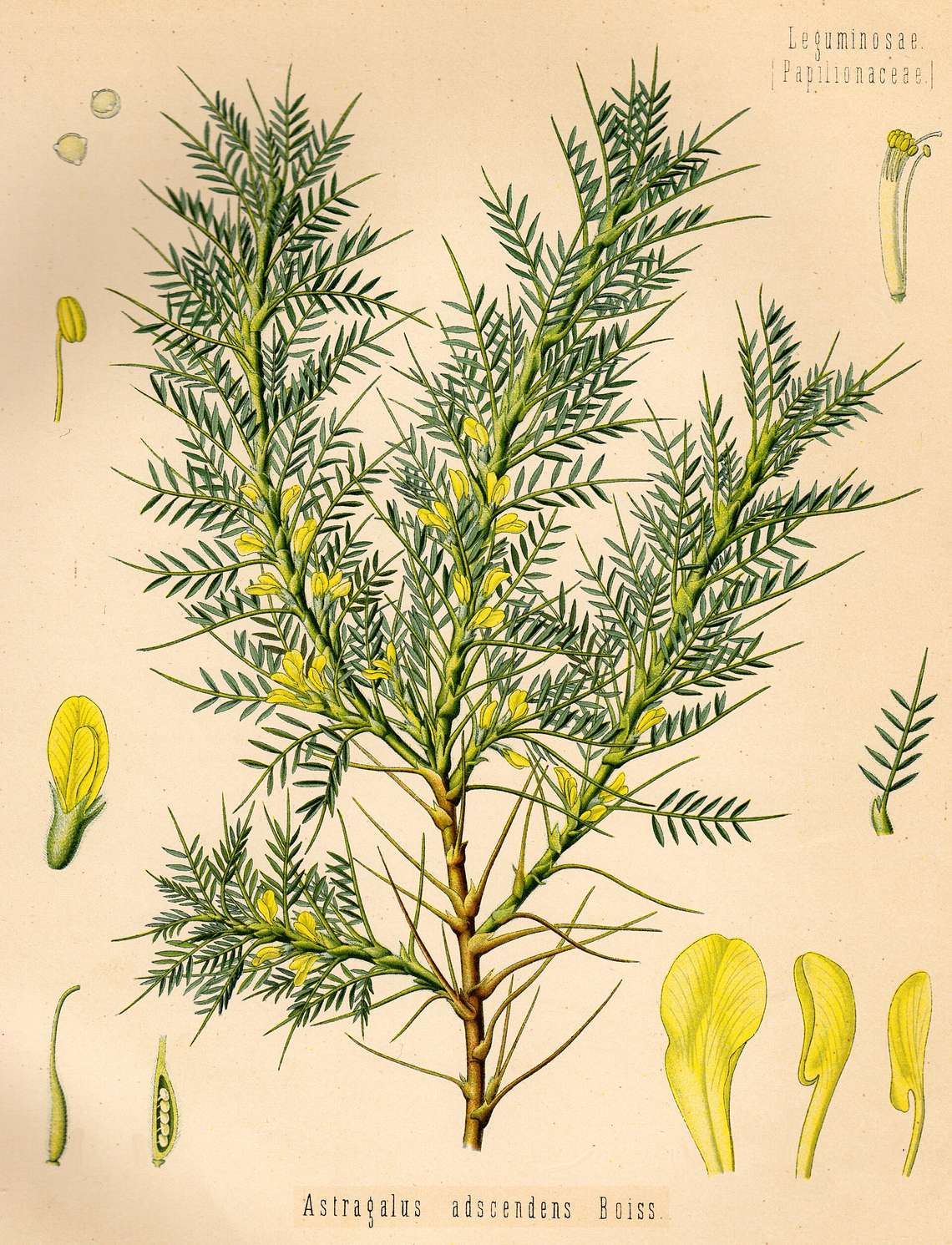
Perennial herbaceous plant growing 1-3 feet tall with pinnately compound leaves and yellow pea-like flowers; develops a deep, thick taproot that is the primary medicinal part.
roots
Large, thick taproot that can grow 2-3 feet long and 1-2 inches in diameter; roots are yellowish-white with a sweet taste and fibrous texture when dried.
stem
Erect, branching stems that are slightly hairy and hollow; stems are green to reddish-brown and can reach 2-4 feet in height with multiple branches.
leaves
Pinnately compound leaves with 12-18 pairs of small, oval leaflets; leaves are alternate and covered with fine hairs; leaflets are 1/2 to 1 inch long.
flowers
Small, yellow pea-like flowers arranged in dense, spike-like clusters (racemes); flowers bloom from June to August and are followed by inflated seed pods.
fruits/seeds
Inflated, membranous seed pods (legumes) about 1 inch long containing several kidney-shaped seeds; pods are hairy and bladder-like when mature.
Active Compounds
Traditional Uses
- Immune system strengthening and "qi" tonification
- Chronic fatigue and weakness
- Digestive disorders and poor appetite
- Respiratory infections and asthma
- Cardiovascular protection and circulation
- Kidney function support and edema
- Anti-aging and longevity promotion
Modern Applications
- Immune system modulation and enhancement
- Adaptogenic stress response support
- Cardiovascular health and heart function
- Chemotherapy side effect reduction
- Diabetes management and blood sugar control
- Kidney disease support
- Anti-aging and telomerase activation
⚠️ Safety Information
Contraindications
- Autoimmune diseases (may overstimulate immune system)
- Acute infections or fever (traditional contraindication)
- Organ transplant recipients taking immunosuppressive drugs
Side Effects
- Generally well-tolerated with minimal side effects
- Rare allergic reactions in sensitive individuals
- Possible interactions with immunosuppressive medications
- Mild gastrointestinal upset in some users
Drug Interactions
- Immunosuppressive medications (may counteract effects)
- Blood thinning medications (potential interaction)
- Diabetes medications (may enhance blood sugar lowering)
- Lithium (may affect kidney clearance)
Parts Used
- Roots (primary medicinal part, harvested after 4-7 years)
- Occasionally young aerial parts in traditional preparations
Preparation Methods
9-30 grams dried root per day, simmered 30-60 minutes
1-2 teaspoons powdered root per cup hot water, steep 15 minutes
1:5 ratio in 40% alcohol, 3-5 ml three times daily
1-3 grams powdered root daily in water or food
Traditional Chinese preparation with other herbs and foods
Related Plants
Alfalfa
Medicago sativa
Fenugreek
Trigonella foenum-graecum
Licorice
Glycyrrhiza glabra
Cardamom
Elettaria cardamomum
Osha
Ligusticum porteri
Rose Hips
Rosa canina