Description
overall appearance
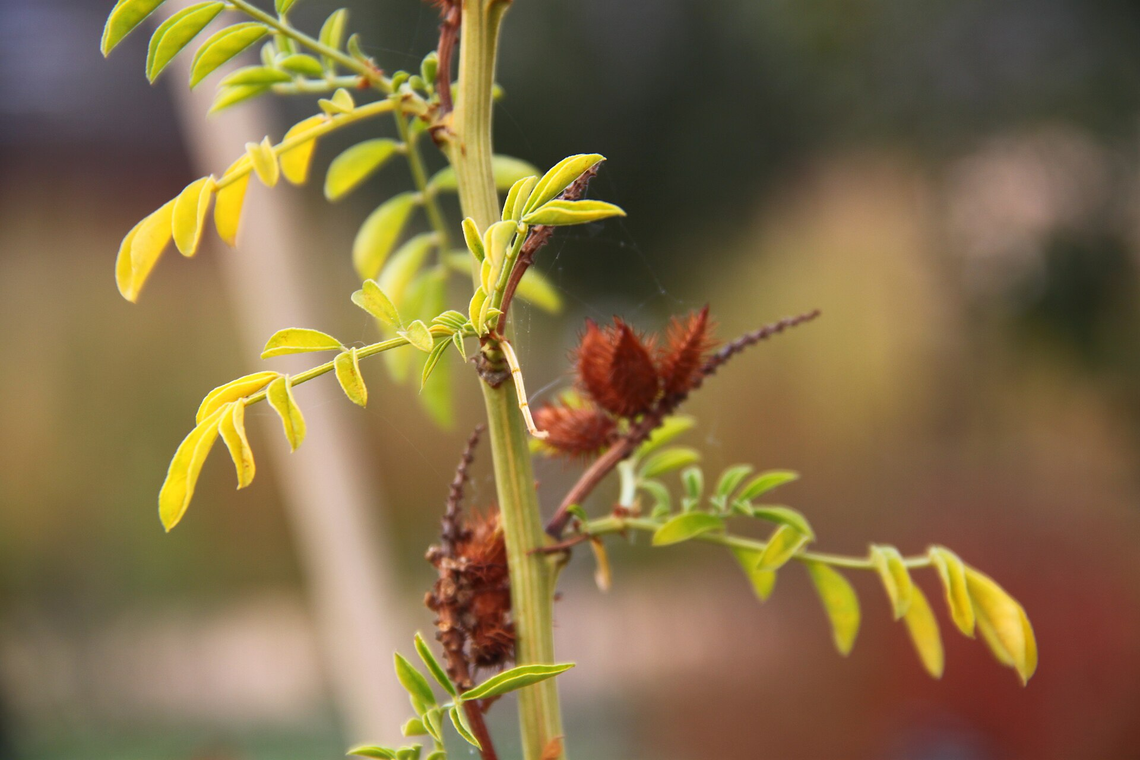
Perennial herb growing 3-7 feet tall with pinnately compound leaves and purple to blue pea-like flowers; develops extensive underground stolons.
roots
Extensive underground root system with thick, woody main roots and numerous runners (stolons); roots are brown externally, yellow internally, and intensely sweet.
stem
Erect, branching stems that are green and smooth; stems can become somewhat woody at the base and support multiple branches.
leaves
Alternate, pinnately compound leaves with 9-17 oval leaflets; leaflets are 1-2 inches long, dark green above, and slightly sticky to the touch.
flowers
Small, purple to blue pea-like flowers arranged in dense, upright spikes 2-6 inches long; flowers bloom from June to July.
fruits/seeds
Small, brown, inflated pods containing 2-5 kidney-shaped seeds; pods are covered with hooked spines and ripen in late summer.
Active Compounds
Traditional Uses
- Respiratory conditions (coughs, bronchitis, asthma)
- Digestive disorders (gastritis, ulcers, constipation)
- Adrenal exhaustion and chronic fatigue
- Liver protection and detoxification
- Inflammatory conditions and arthritis
- Skin conditions (eczema, dermatitis)
- Throat infections and voice loss
Modern Applications
- Peptic ulcer treatment and gastric protection
- Hepatitis and liver disease support
- Addison's disease and adrenal insufficiency
- Chronic fatigue syndrome management
- Upper respiratory infection treatment
- Anti-inflammatory effects for arthritis
- Menopausal symptom relief
⚠️ Safety Information
Contraindications
- High blood pressure (hypertension)
- Heart disease and cardiac arrhythmias
- Kidney disease and fluid retention
- Pregnancy and breastfeeding
- Liver cirrhosis and severe liver disease
Side Effects
- Elevated blood pressure and sodium retention
- Potassium depletion and muscle weakness
- Fluid retention and edema
- Headache and fatigue with long-term use
- Possible hormonal effects (pseudoaldosteronism)
Drug Interactions
- Blood pressure medications (may counteract effects)
- Diuretics (may cause potassium loss)
- Digoxin (increased toxicity risk)
- Corticosteroids (may enhance effects)
- Blood-thinning medications
Parts Used
- Roots and stolons (primary medicinal part)
- Occasionally aerial parts in traditional preparations
Preparation Methods
1-3 teaspoons dried root per cup water, simmer 15-20 minutes
1-2 teaspoons powdered root per cup hot water, steep 10 minutes
1:5 ratio in 20% alcohol, 2-5 ml three times daily
Concentrated decoction with honey for cough relief
1-4 grams powdered root daily
Related Plants
Alfalfa
Medicago sativa
Astragalus
Astragalus membranaceus
Fenugreek
Trigonella foenum-graecum
Andrographis
Andrographis paniculata
Coltsfoot
Tussilago farfara
Birch
Betula spp.