Osha
Ligusticum porteri
Description
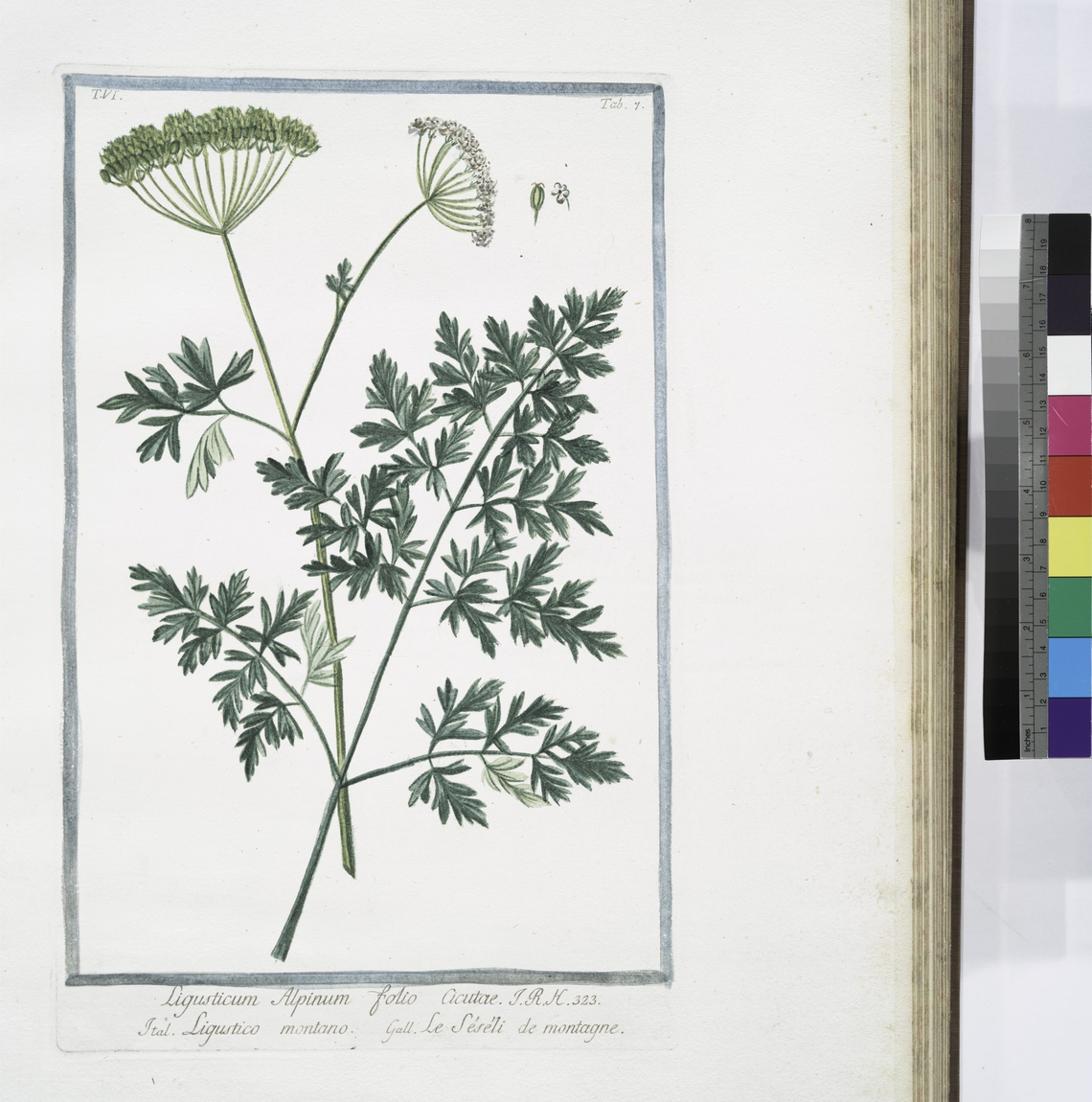
overall appearance
Perennial herb growing 1-4 feet tall with compound umbel flowers and distinctive aromatic root system.
roots
Large, thick, branching root system; brown exterior with white interior; intensely aromatic and spicy.
stem
Hollow, ridged stems characteristic of carrot family; purplish coloration; branching in upper portions.
leaves
Compound leaves divided into three leaflets; each leaflet further divided; serrated margins; alternate arrangement.
flowers
Small white to pinkish flowers arranged in compound umbels; appear in mid to late summer.
fruits/seeds
Small, ribbed seeds typical of carrot family; aromatic when crushed; wind and gravity dispersed.
Active Compounds
Traditional Uses
- Respiratory ailments including altitude sickness
- Viral infections and immune support
- Digestive disorders and stomach upset
- Circulation and cardiovascular support
- Spiritual purification and ceremony
- Snake bite and venomous bites (traditional)
Modern Applications
- High-altitude respiratory support
- Immune system stimulation
- Antiviral and antimicrobial effects
- Respiratory tract infections
- Circulatory support and cardiovascular health
- Adaptogenic and stress-response support
⚠️ Safety Information
Contraindications
- Pregnancy and breastfeeding (insufficient safety data)
- Photosensitivity disorders (coumarin content)
- Children under 12 years (potent medicine)
- Upcoming sun exposure (photosensitizing effects)
Side Effects
- Photosensitivity with large doses or prolonged use
- Digestive upset with excessive consumption
- Possible allergic reactions in sensitive individuals
- Skin sensitivity with topical use
Drug Interactions
- Photosensitizing medications
- Blood-thinning medications (coumarin effects)
- Liver-metabolized drugs
- Immune-suppressing medications
Parts Used
- Roots (primary and traditional medicinal use)
- Fresh or dried root preparations
- Root tinctures and extracts
- Powdered root (traditional chewing)
Preparation Methods
Small pieces chewed directly for immediate respiratory effects
1/2 teaspoon dried root per cup; steep 15-20 minutes
Root simmered 20-30 minutes for stronger medicinal effects
1:5 ratio with 60% alcohol; macerate fresh or dried root 6 weeks
Traditionally mixed with other herbs for respiratory support
Related Plants
Angelica
Angelica archangelica
Ashitaba
Angelica keiskei
Celery Seed
Apium graveolens
Andrographis
Andrographis paniculata
Astragalus
Astragalus membranaceus
Cardamom
Elettaria cardamomum