Description
overall appearance
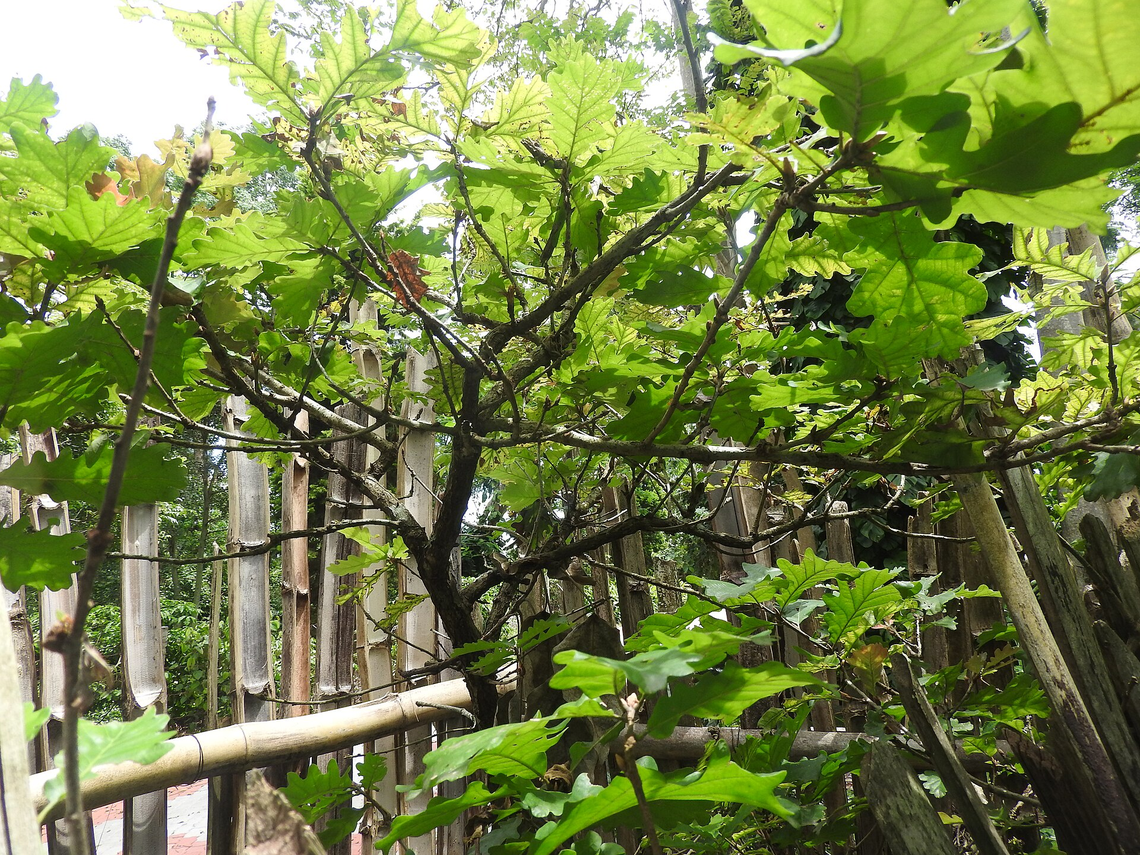
Deciduous trees reaching 50-100+ feet tall with broad crowns and distinctive lobed leaves; long-lived species.
roots
Deep taproot with extensive lateral root system; forms symbiotic relationships with mycorrhizal fungi.
stem
Massive trunk with distinctive furrowed bark; extremely durable and long-lived wood.
leaves
Lobed leaves varying by species; white oak has rounded lobes, red oak has pointed lobes; turn brown to red in fall.
flowers
Inconspicuous wind-pollinated flowers; male catkins and female flowers appear in spring.
fruits/seeds
Acorns with distinctive caps; important food source for wildlife; tannin content varies by species.
Active Compounds
Traditional Uses
- Diarrhea and digestive disorders
- Hemorrhoids and varicose veins
- Wounds and skin conditions
- Sore throat and mouth inflammation
- Excessive bleeding and discharge
- Eczema and dermatitis
Modern Applications
- Astringent for digestive issues
- Topical wound healing and skin care
- Anti-inflammatory and antioxidant effects
- Hemorrhoid treatment support
- Natural tanning and leather production
- Traditional oral care applications
⚠️ Safety Information
Contraindications
- Large internal doses (excessive tannin intake)
- Kidney disease (tannin processing burden)
- Iron deficiency (tannins reduce iron absorption)
- Damaged intestinal lining
Side Effects
- Generally well-tolerated in appropriate doses
- Possible digestive upset with large doses
- Constipation with excessive tannin intake
- Nausea in sensitive individuals
Drug Interactions
- Iron supplements (reduced absorption)
- Alkaline medications (tannins may interfere)
- Generally minimal interactions in normal doses
Parts Used
- Bark (primary medicinal use - inner bark preferred)
- Leaves (secondary use)
- Acorns (food and traditional medicine)
- Galls (oak apples - high tannin content)
Preparation Methods
1-2 teaspoons dried bark per cup; steep 15-20 minutes
Bark simmered 20-30 minutes for stronger astringent effects
1:5 ratio with 40% alcohol; macerate dried bark 4-6 weeks
Ground bark mixed with water for topical applications
Cooled decoction for sore throat and oral inflammation
Related Plants
Witch Hazel
Hamamelis virginiana
Mangosteen
Garcinia mangostana
Marshmallow
Althaea officinalis
Mullein
Verbascum thapsus
Red Root
Ceanothus americanus
Slippery Elm
Ulmus rubra