Description
overall appearance
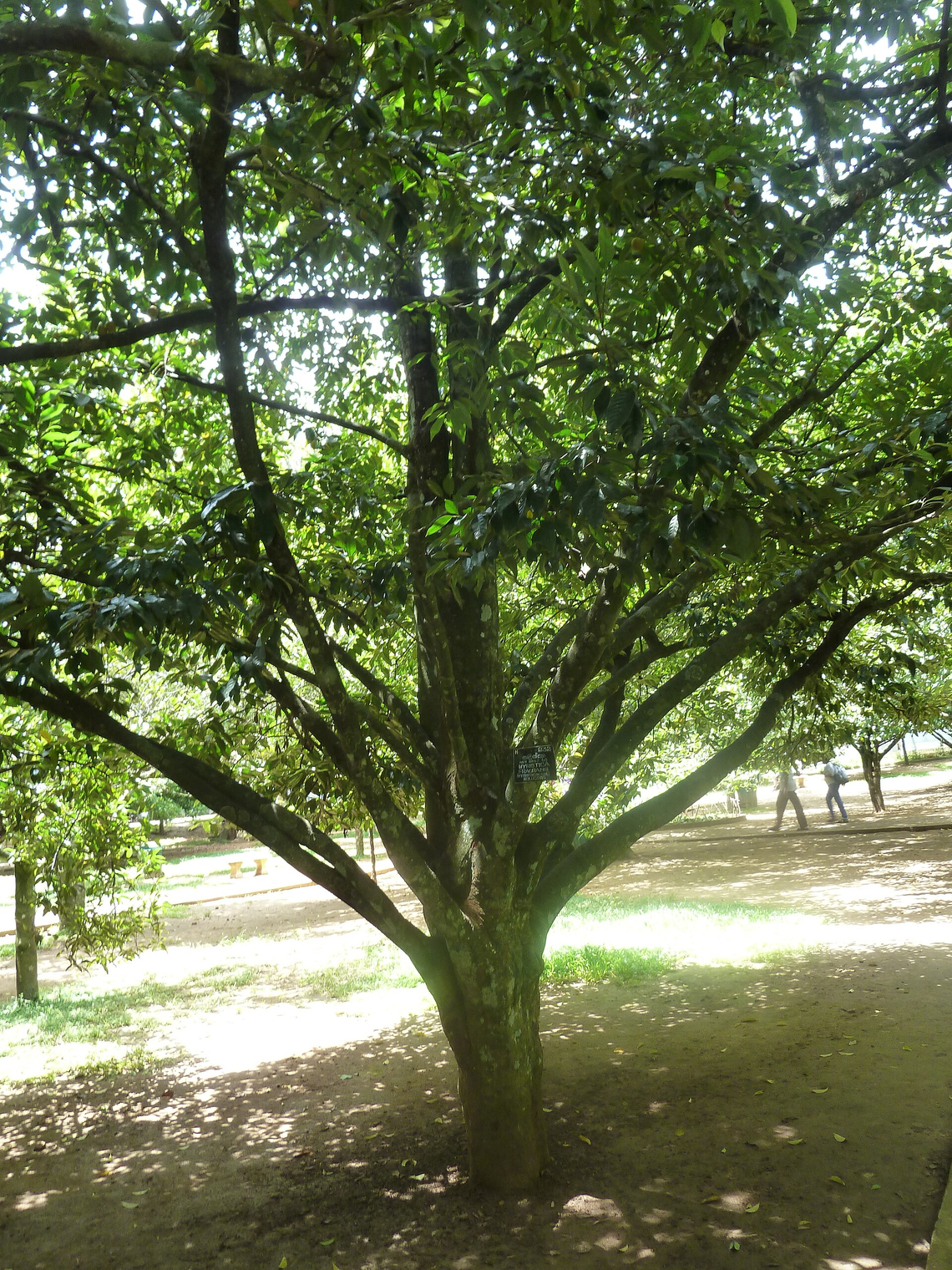
Evergreen tree reaching 40-60 feet in height with dense, pyramidal crown and aromatic bark; dioecious (separate male and female trees).
roots
Deep taproot system with extensive lateral roots; mycorrhizal associations enhance nutrient uptake in tropical soils.
stem
Straight trunk with smooth, grayish-brown bark; aromatic when cut; branches in regular whorls creating symmetrical crown.
leaves
Alternate, simple leaves 3-5 inches long; elliptical shape with entire margins; dark green above, lighter beneath; aromatic when crushed.
flowers
Small, pale yellow flowers; males in clusters, females solitary or in small groups; bell-shaped with 3-4 petals; fragrant.
fruits/seeds
Large, yellow to orange fruit splitting to reveal seed (nutmeg) surrounded by red aril (mace); fruit resembles an apricot.
Active Compounds
Traditional Uses
- Digestive disorders and nausea
- Insomnia and nervous disorders
- Arthritis and joint pain
- Respiratory ailments including asthma
- Male reproductive health and libido
- Cognitive enhancement and memory
Modern Applications
- Mild sedative and sleep support
- Digestive health and gastric protection
- Anti-inflammatory and pain relief
- Antimicrobial and antifungal properties
- Cognitive function research (low doses)
- Traditional topical pain relief
⚠️ Safety Information
Contraindications
- Pregnancy and breastfeeding (abortifacient properties)
- Liver disease (hepatotoxic compounds)
- Mental health disorders (psychoactive effects)
- Children under 6 years old
Side Effects
- Nausea and vomiting with moderate doses (5+ grams)
- Hallucinations and delirium with large doses (10+ grams)
- Liver toxicity with chronic excessive use
- Rapid heart rate and elevated blood pressure
Drug Interactions
- CNS depressants (may enhance sedative effects)
- Liver-metabolized medications
- MAO inhibitors (potential dangerous interactions)
- Anticoagulant medications
Parts Used
- Seeds (nutmeg - primary medicinal and culinary use)
- Aril (mace - similar properties, different flavor)
- Essential oil from seeds
- Seed butter (nutmeg butter)
Preparation Methods
1/4 teaspoon freshly grated nutmeg per cup hot milk or water; steep 10 minutes
Small amounts simmered briefly (avoid prolonged heating)
1:10 ratio with 70% alcohol; macerate grated nutmeg 4 weeks
Ground nutmeg mixed with oil for topical pain relief
Small amounts in carrier oil; use sparingly topically
Related Plants
Black Pepper
Piper nigrum
Ashwagandha
Withania somnifera
Birch
Betula spp.
Chamomile
Matricaria chamomilla
Clove
Syzygium aromaticum
Evening Primrose
Oenothera biennis