Description
overall appearance
Large deciduous tree growing 50-80 feet tall with a broad, rounded crown and distinctive silver-white undersides of leaves that shimmer in the wind.
roots
Extensive, shallow root system that spreads widely; roots are fibrous and adapted to wet conditions, often forming surface roots near water sources.
stem
Thick, deeply furrowed gray-brown bark on mature trees; younger branches are yellowish to reddish-brown with smooth bark; trunk can reach 3-6 feet in diameter.
leaves
Alternate, lance-shaped leaves 2-4 inches long with finely serrated margins; upper surface dark green, lower surface silvery-white with fine silky hairs; leaves turn yellow in autumn.
flowers
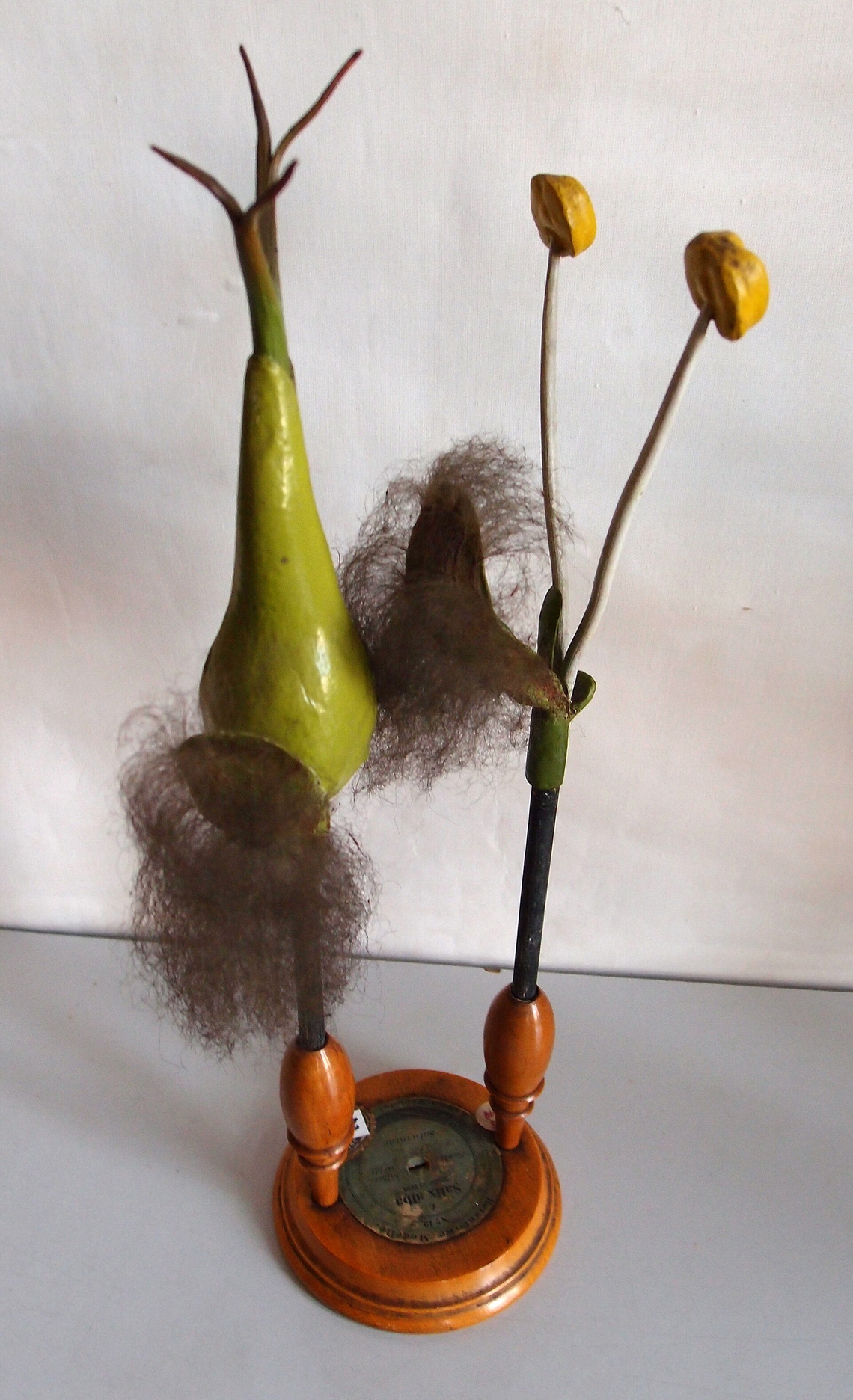
Small, inconspicuous flowers arranged in catkins that appear before the leaves in early spring; male and female flowers on separate trees (dioecious); catkins are 1-3 inches long.
fruits/seeds
Small capsules containing numerous tiny seeds with white, cottony hairs that aid in wind dispersal; seeds are produced in late spring to early summer.
Active Compounds
Traditional Uses
- Pain relief for headaches, arthritis, and muscle aches
- Fever reduction during illness
- Anti-inflammatory treatment for joint conditions
- Digestive aid for stomach complaints
- Wound healing and skin conditions
Modern Applications
- Natural pain relief and anti-inflammatory effects
- Fever reduction (antipyretic properties)
- Treatment of osteoarthritis and rheumatoid arthritis
- Cardiovascular health support
- Precursor to modern aspirin development
⚠️ Safety Information
Contraindications
- Allergy to aspirin or salicylates
- Active peptic ulcer disease
- Severe kidney or liver disease
- Children under 16 with viral infections (Reye's syndrome risk)
Side Effects
- Gastrointestinal irritation or upset stomach
- Nausea or vomiting with high doses
- Allergic reactions in sensitive individuals
- Potential for salicylate toxicity with excessive use
Drug Interactions
- Blood-thinning medications (warfarin, heparin)
- Other NSAIDs (increased bleeding risk)
- Methotrexate (increased toxicity)
- Diabetes medications (enhanced hypoglycemic effects)
Parts Used
- Inner bark (most medicinally active)
- Young twigs and branches
- Leaves (less potent than bark)
Preparation Methods
1-2 teaspoons dried bark per cup boiling water, steep 10-15 minutes
1 tablespoon chopped bark per cup water, simmer 20-30 minutes
1:5 ratio in 45% alcohol, 2-4 ml three times daily
Fresh inner bark ground and applied to wounds or inflamed areas
Bark infused in oil for topical anti-inflammatory use
Related Plants
Meadowsweet
Filipendula ulmaria
Ashitaba
Angelica keiskei
Elderberry
Sambucus canadensis
Basil
Ocimum basilicum
Birch
Betula spp.
Bitter Melon
Momordica charantia