Description
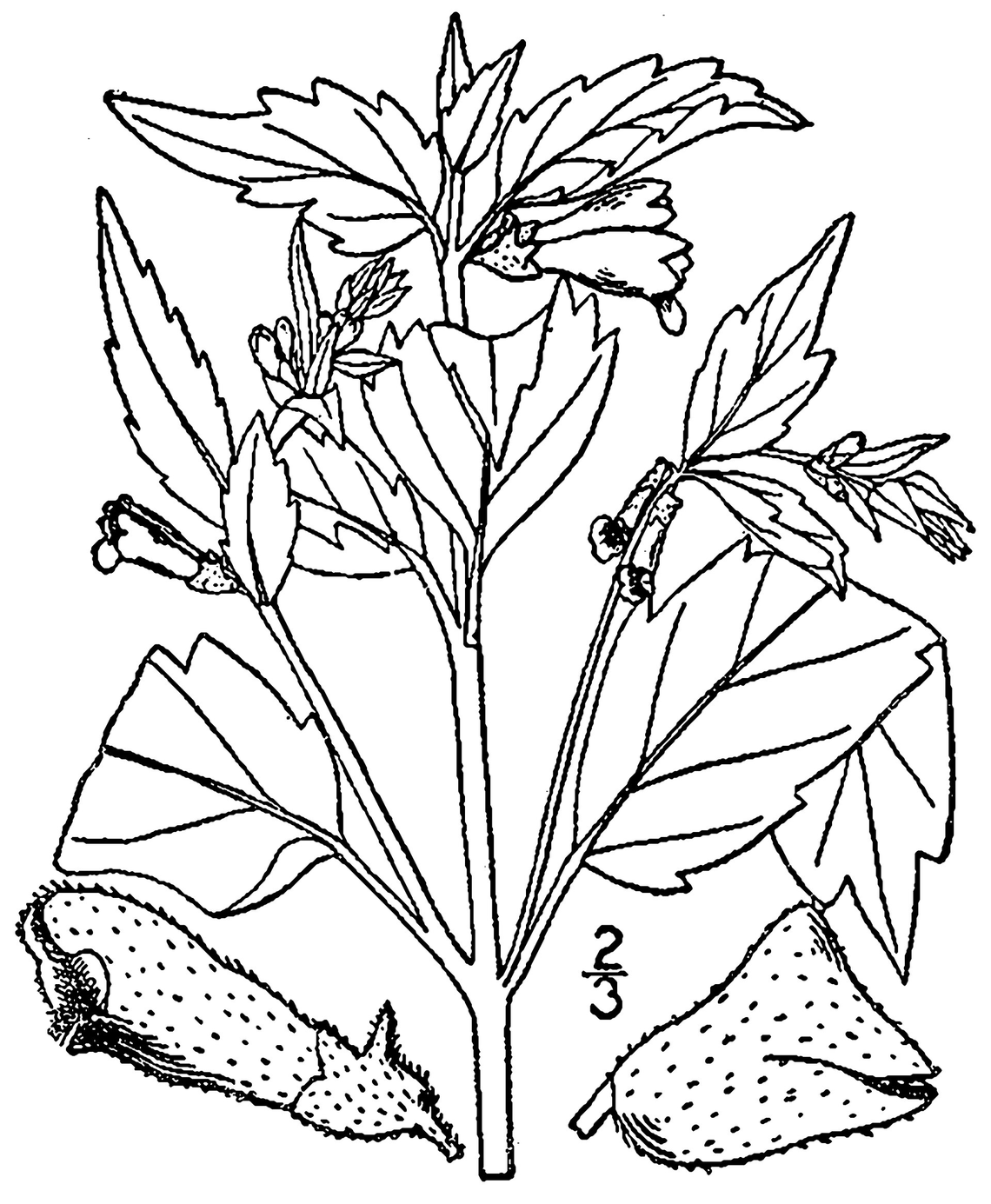
overall appearance
Perennial herb growing 1-3 feet tall with square stems and distinctive blue flowers arranged along one side.
roots
Fibrous root system with creeping rhizomes; spreads to form colonies in suitable habitat.
stem
Square stems characteristic of mint family; smooth texture; branching pattern.
leaves
Opposite, lance-shaped leaves 2-4 inches long; serrated margins; smooth texture.
flowers
Small blue flowers arranged in one-sided racemes; helmet-shaped with distinctive cap; summer blooming.
fruits/seeds
Small nutlets; four seeds per flower; dispersed by water and wildlife.
Active Compounds
Traditional Uses
- Nervous tension and anxiety
- Insomnia and sleep disorders
- Seizures and convulsions
- Headaches and migraines
- Muscle tension and spasms
- Premenstrual syndrome
Modern Applications
- Anxiety and stress management
- Sleep quality improvement
- Nervous system support
- ADHD and hyperactivity
- Addiction recovery support
- Neuroprotective effects
⚠️ Safety Information
Contraindications
- Liver disease (high doses may stress liver)
- Pregnancy (insufficient safety data)
- Scheduled surgery (sedative effects)
Side Effects
- Generally very well-tolerated
- Possible drowsiness (intended effect)
- Digestive upset with large doses
- Rare allergic reactions
Drug Interactions
- Sedative medications (may enhance effects)
- Anticonvulsant medications
- Alcohol (may enhance sedative effects)
Parts Used
- Aerial parts (leaves and stems - harvested during flowering)
- Dried herb preparations
- Fresh plant tinctures
Preparation Methods
1-2 teaspoons dried herb per cup; steep 10-15 minutes
1:5 ratio with 40% alcohol; macerate fresh herb 2-3 weeks
Alcohol-free preparation for children and sensitive individuals
Capsules with guaranteed flavonoid content
Related Plants
Basil
Ocimum basilicum
Cat's Whiskers / Java Tea
Orthosiphon aristatus
Catnip
Nepeta cataria
Hemp / CBD
Cannabis sativa
Passionflower
Passiflora incarnata
Angelica
Angelica archangelica