Passionflower
Passiflora incarnata
Description
overall appearance
Passionflower is a fast-growing perennial vine that climbs by tendrils and can reach 15-30 feet in length during the growing season.
roots
Extensive underground root system with rhizomes that produce new shoots, allowing the plant to spread and form colonies.
stem
Smooth, green climbing stems die back to the ground in winter in cold climates. Stems climb using coiled tendrils.
leaves
Three-lobed leaves are 3-6 inches wide with serrated margins. Leaves are bright green and deeply divided.
flowers
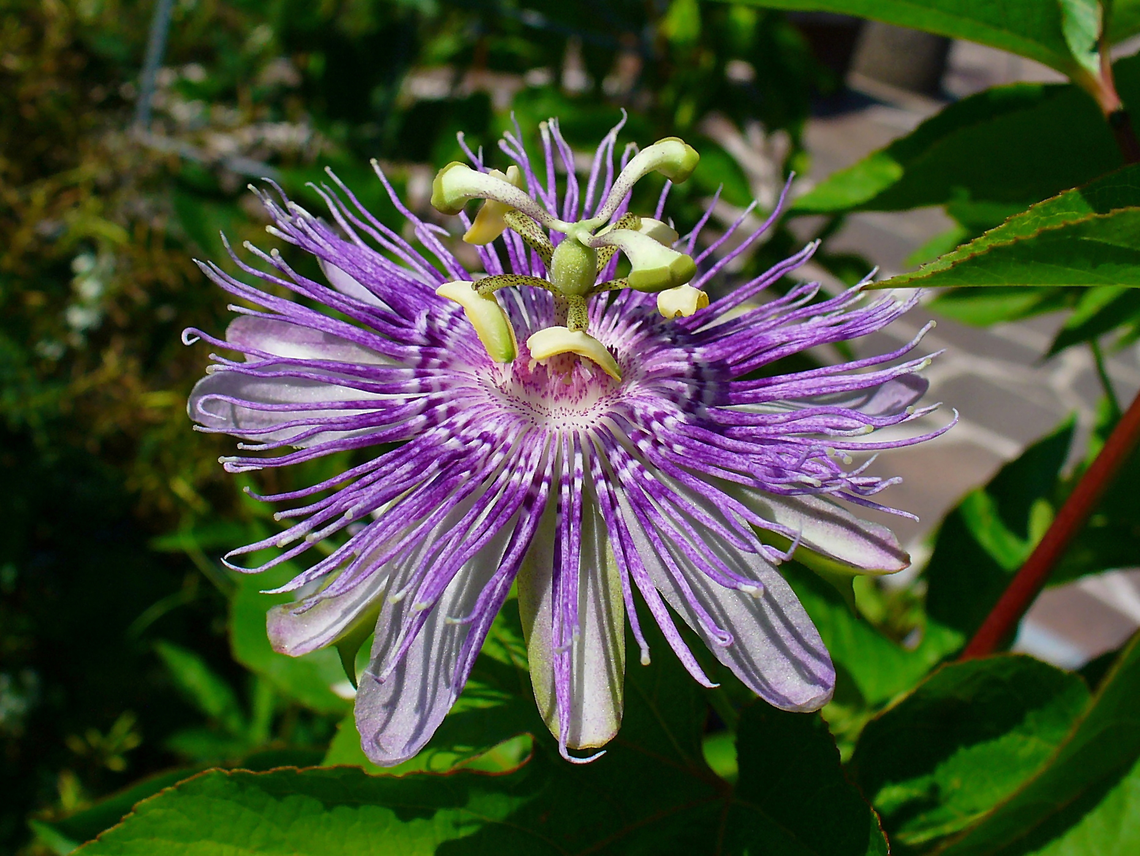
Intricate, showy flowers are 2-3 inches across with white petals, purple and white corona filaments, and prominent stamens and pistils.
fruits/seeds
Yellow-green fruits (maypops) are egg-shaped, about 2 inches long, containing numerous seeds surrounded by edible pulp.
Active Compounds
Traditional Uses
- Insomnia and sleep disorders
- Anxiety and nervous tension
- Epilepsy and seizures
- Hyperactivity and restlessness
- Pain and neuralgia
- Menstrual irregularities
Modern Applications
- Natural sleep aid and sedative
- Anti-anxiety treatment
- Nervous system relaxation
- ADHD and hyperactivity support
- Muscle relaxation and spasm relief
⚠️ Safety Information
Contraindications
- Pregnancy and breastfeeding (may affect uterine muscle)
- Severe depression (may worsen symptoms)
- Before surgery (sedative effects)
Side Effects
- Drowsiness and sedation
- Dizziness in sensitive individuals
- Possible nausea with large doses
- Rare allergic reactions
Drug Interactions
- May enhance effects of sedative medications
- Possible interactions with MAO inhibitors
- May increase effects of blood pressure medications
- Caution with other CNS depressants
Parts Used
- Aerial parts (leaves, stems, flowers)
- Occasionally fruits
Preparation Methods
1-2 tsp dried herb per cup water, steep 10-15 minutes
Traditionally smoked for relaxation
1:5 ratio in 40% alcohol, 2-4 ml three times daily
Standardized extract preparations
Strong infusion added to bathwater for relaxation
Related Plants
Damiana
Turnera diffusa
Valerian
Valeriana officinalis
Bacopa
Bacopa monnieri
Catnip
Nepeta cataria
Chamomile
Matricaria chamomilla
Hops
Humulus lupulus