Pau D'Arco
Tabebuia impetiginosa
Description
overall appearance
Pau d'arco is a large deciduous tree reaching 100-125 feet in height with a straight trunk and spreading crown.
roots
Deep taproot system with extensive lateral roots that can extend far from the trunk, adapted to forest conditions.
stem
Straight trunk can reach 3-4 feet in diameter, covered with deeply furrowed, grayish-brown bark. Inner bark is the medicinal part.
leaves
Palmately compound leaves with 5-7 leaflets arranged like fingers on a hand. Leaflets are oblong with smooth margins.
flowers
Showy pink to purple trumpet-shaped flowers appear in terminal clusters before new leaves emerge, typically during dry season.
fruits/seeds
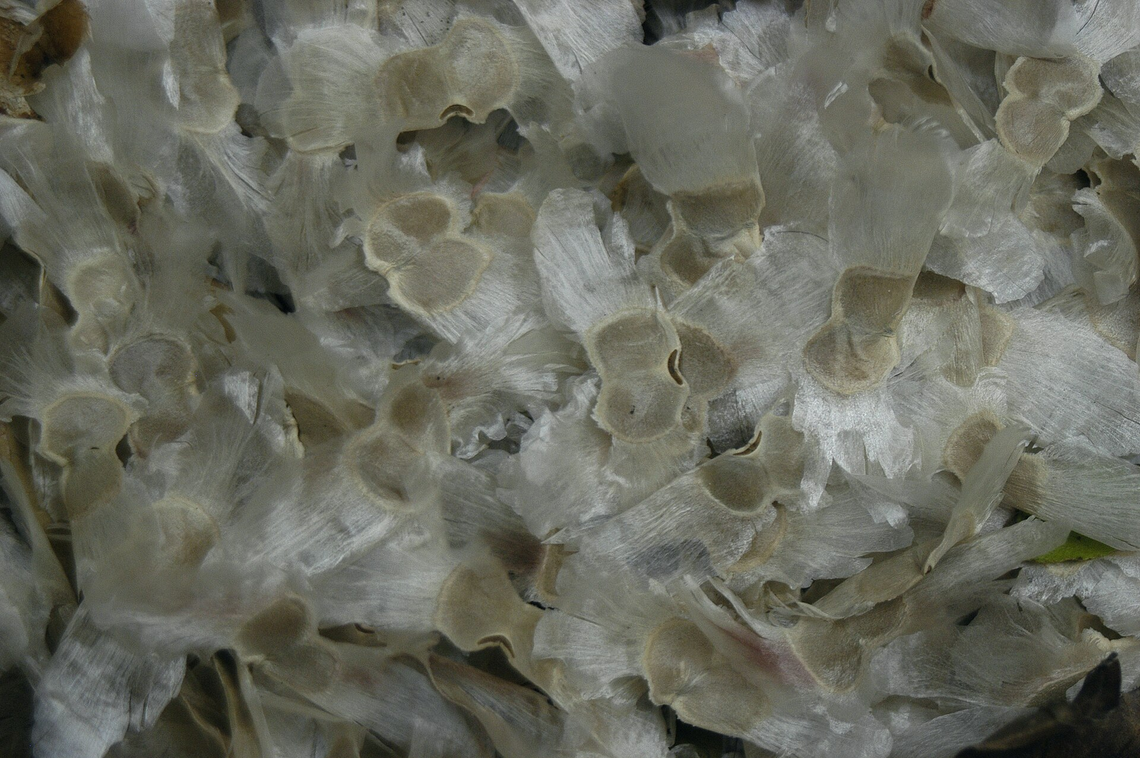
Long, narrow capsules split to release numerous winged seeds that are dispersed by wind.
Active Compounds
Traditional Uses
- Infectious diseases and immune system support
- Candida and fungal infections
- Cancer and tumor conditions
- Digestive parasites
- Respiratory infections
- Skin conditions and wounds
Modern Applications
- Antimicrobial and antifungal support
- Immune system enhancement
- Anti-inflammatory applications
- Antioxidant supplementation
- Complementary cancer support (under professional guidance)
⚠️ Safety Information
Contraindications
- Pregnancy and breastfeeding
- Blood clotting disorders
- Upcoming surgery
- Severe liver or kidney disease
Side Effects
- Nausea and digestive upset
- Dizziness and headache
- Possible blood-thinning effects
- Skin sensitivity in some individuals
Drug Interactions
- May enhance effects of blood-thinning medications
- Possible interactions with chemotherapy drugs
- May affect blood sugar levels
- Caution with immunosuppressive medications
Parts Used
- Inner bark (primary medicinal part)
- Heartwood (less commonly used)
Preparation Methods
1-2 tsp inner bark per cup water, steep 15-20 minutes
Simmer 1 tbsp bark in 2 cups water for 15 minutes
1:5 ratio in 50% alcohol, 2-4 ml three times daily
Powdered inner bark in standardized preparations
Strong decoction for external applications
Related Plants
Bloodroot
Sanguinaria canadensis
Holy Basil
Ocimum tenuiflorum
Red Clover
Trifolium pratense
Andrographis
Andrographis paniculata
Ashitaba
Angelica keiskei
Birch
Betula spp.