Description
overall appearance
Deciduous shrub or small tree reaching 15-30 feet in height with dense, thorny branches and distinctive spring flowers.
roots
Deep taproot with extensive lateral root system; forms symbiotic relationships with mycorrhizal fungi.
stem
Multiple stems with sharp thorns; grayish-brown bark becoming furrowed with age; dense branching pattern.
leaves
Deeply lobed leaves 1-3 inches long; serrated edges; bright green in spring, yellow to red in autumn; alternate arrangement.
flowers
Dense clusters of small, white to pink flowers with 5 petals; strong, distinctive fragrance; appear in late spring.
fruits/seeds
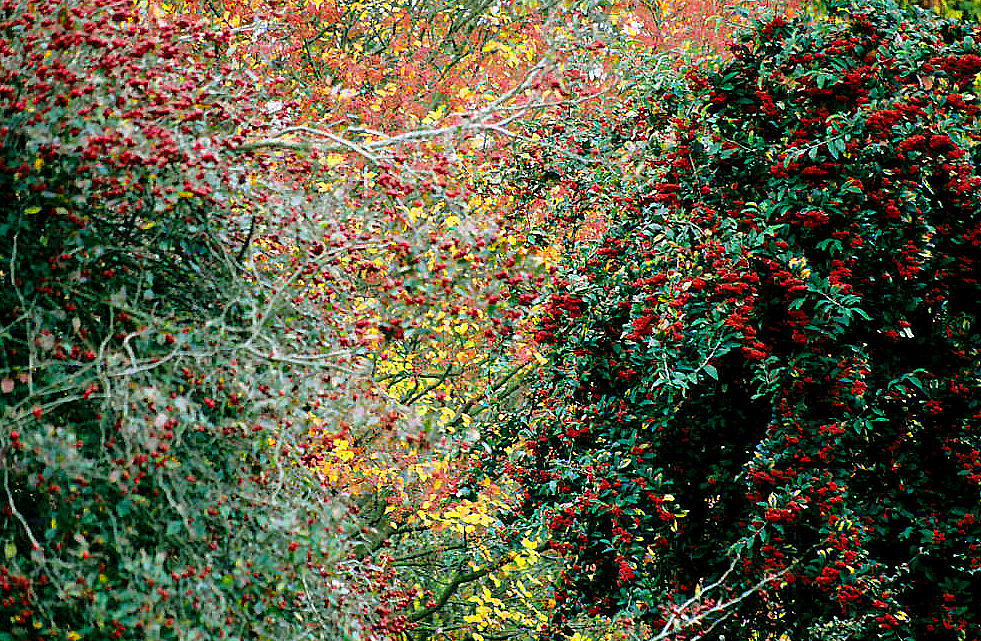
Small, red berry-like pomes (haws) containing 1-3 seeds; persist through winter; important food source for wildlife.
Active Compounds
Traditional Uses
- Heart conditions and cardiovascular support
- High blood pressure and circulation
- Anxiety and nervous heart conditions
- Digestive disorders and stomach upset
- Kidney and bladder problems
- Insomnia and restlessness
Modern Applications
- Congestive heart failure support
- Coronary artery disease prevention
- Blood pressure regulation
- Anxiety and stress management
- Antioxidant and anti-inflammatory support
- Cardiovascular protection in aging
⚠️ Safety Information
Contraindications
- Severe heart conditions without professional supervision
- Low blood pressure (hypotension)
- Pregnancy and breastfeeding (insufficient safety data)
- Children under 12 years
Side Effects
- Generally well-tolerated with minimal side effects
- Possible mild digestive upset initially
- Dizziness in sensitive individuals
- Fatigue with excessive doses
Drug Interactions
- Heart medications (digoxin, beta-blockers, ACE inhibitors)
- Blood pressure medications
- Nitrates and vasodilators
- CNS depressants
Parts Used
- Flowers and leaves (primary medicinal use)
- Berries (fruits)
- Young shoots and twigs
- Bark (occasionally)
Preparation Methods
1-2 teaspoons dried flowers/leaves per cup boiling water; steep 15-20 minutes
Berries simmered 20-30 minutes for stronger cardiovascular effects
1:5 ratio with 45% alcohol; macerate for 4-6 weeks
Fresh leaves crushed for topical wound healing
Flowers in carrier oil for massage and topical circulation support
Related Plants
Meadowsweet
Filipendula ulmaria
Pygeum
Prunus africana
Raspberry Leaf
Rubus idaeus
Coptis / Goldthread
Coptis chinensis
He Shou Wu
Reynoutria multiflora
Lemon Balm
Melissa officinalis