Description
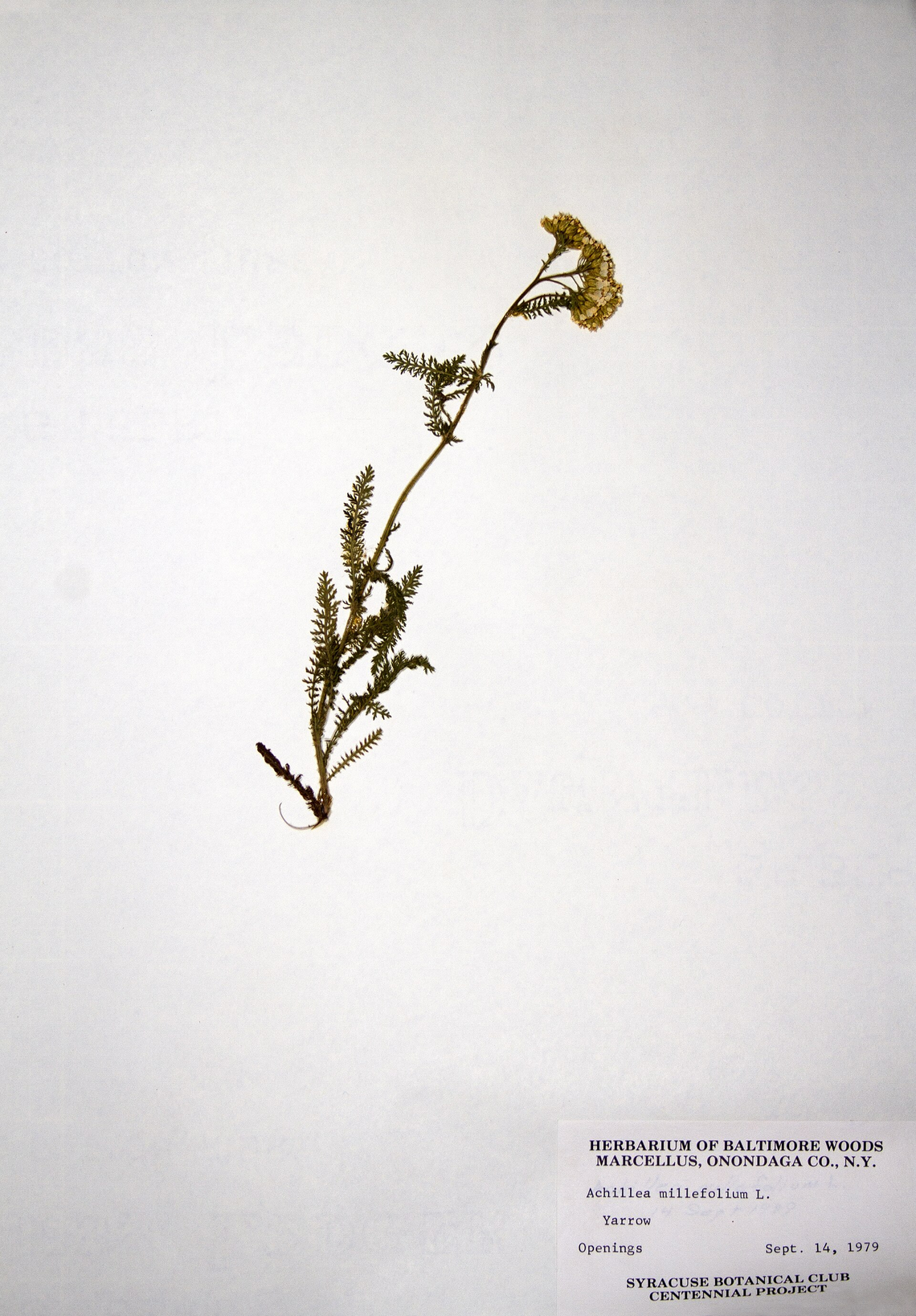
overall appearance
Perennial herb growing 1-3 feet tall with feathery foliage and flat-topped clusters of small white flowers.
roots
Creeping rhizome system with fibrous roots; spreads to form colonies; drought-tolerant underground storage.
stem
Erect, angular stems; slightly hairy; branching in upper portions; strong and wiry texture.
leaves
Finely divided, feathery leaves 2-4 inches long; bipinnate to tripinnate division; alternate arrangement; aromatic when crushed.
flowers
Small white (occasionally pink) flowers in dense, flat-topped clusters (corymbs); composite flowers with ray and disc petals.
fruits/seeds
Small, flattened achenes without pappus; dispersed by wind and animals; viable for several years.
Active Compounds
Traditional Uses
- Wound healing and bleeding control
- Fever reduction and diaphoretic
- Digestive disorders and poor appetite
- Menstrual irregularities and reproductive health
- Cold and flu symptoms
- Hypertension and circulation
Modern Applications
- Wound healing and hemostatic effects
- Anti-inflammatory and pain relief
- Digestive support and bitter tonic
- Menstrual cycle regulation
- Immune system support
- Cardiovascular health
⚠️ Safety Information
Contraindications
- Pregnancy (may stimulate uterine contractions)
- Known allergies to Asteraceae family plants
- Epilepsy or seizure disorders (thujone content)
- Gallstones (may stimulate bile production)
Side Effects
- Generally well-tolerated in appropriate doses
- Possible skin sensitivity with topical use
- Photosensitivity with excessive use
- Drowsiness with large doses
Drug Interactions
- Blood-thinning medications (may enhance effects)
- Sedative medications (may enhance effects)
- Lithium (may affect elimination)
- Stomach acid reducers (may counteract)
Parts Used
- Aerial parts (leaves and flowers - primary medicinal use)
- Fresh plant juice
- Essential oil (occasionally)
- Dried whole plant
Preparation Methods
1-2 teaspoons dried herb per cup; steep 10-15 minutes
Fresh plant simmered briefly for stronger effects
1:5 ratio with 40% alcohol; macerate fresh plant 3-4 weeks
Fresh crushed leaves applied directly to wounds
Fresh or dried plant in carrier oil for topical applications
Related Plants
Arnica
Arnica montana
Bhringaraj
Eclipta prostrata
Blessed Thistle
Cnicus benedictus
Lemongrass
Cymbopogon citratus
Ashitaba
Angelica keiskei
Basil
Ocimum basilicum