Wormwood
Artemisia absinthium
Description
overall appearance
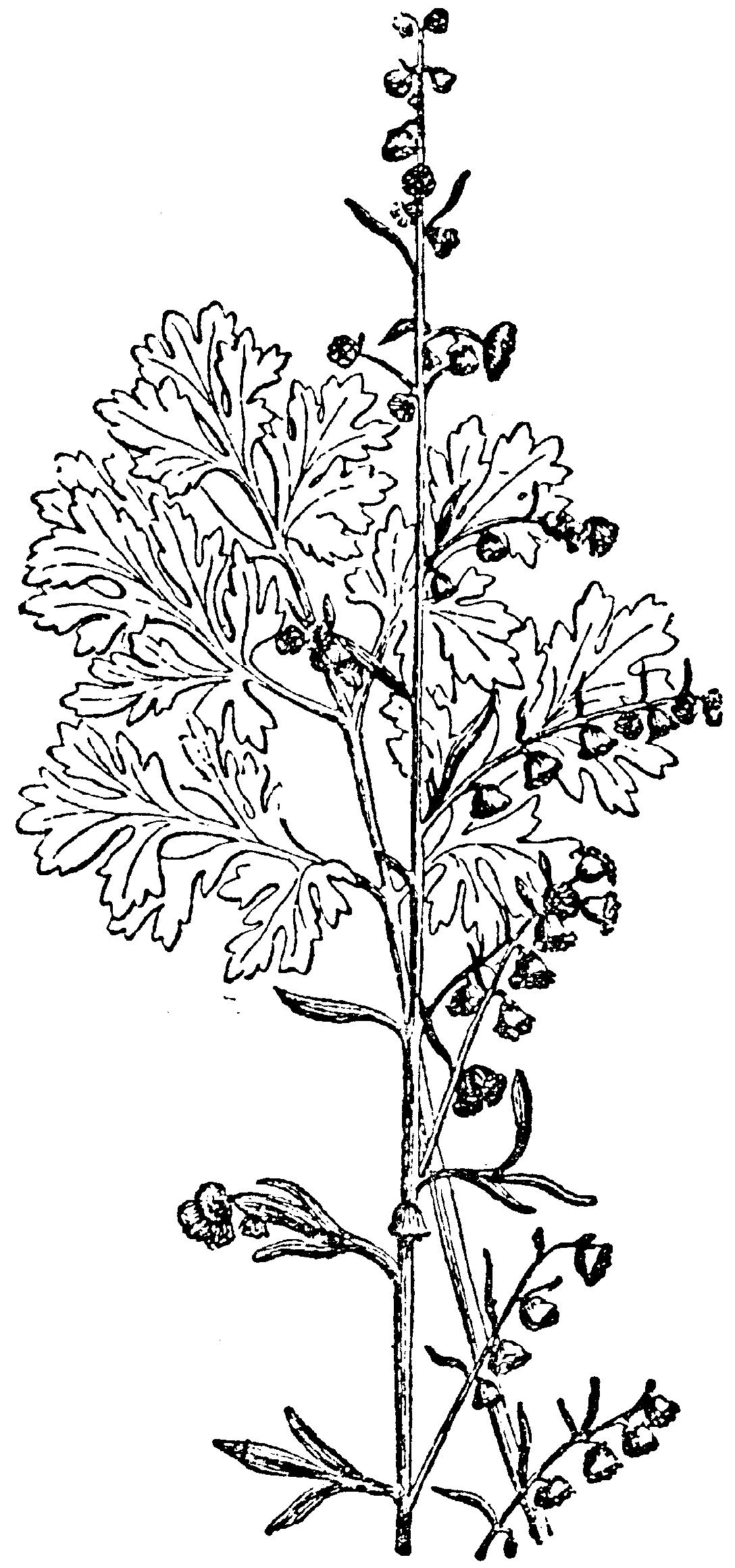
Wormwood is a aromatic perennial herb growing 2-4 feet tall with silvery-gray foliage and an intensely bitter taste.
roots
Deep taproot system with some lateral spreading, adapted to dry conditions and poor soils.
stem
Erect, woody stems at base are covered with fine silky hairs giving the plant its characteristic silvery appearance.
leaves
Deeply divided, fern-like leaves are silvery-gray on both sides due to dense, silky hairs. Leaves become less divided toward flower clusters.
flowers
Small, yellow-green flower heads are arranged in loose panicles. Individual flowers are tiny and inconspicuous.
fruits/seeds
Small, smooth achenes lack the bristly pappus found in many Asteraceae family members.
Active Compounds
Traditional Uses
- Digestive disorders and poor appetite
- Intestinal parasites and worms
- Liver and gallbladder conditions
- Fever and malaria
- Menstrual irregularities
- Alcoholic beverage production (absinthe)
Modern Applications
- Bitter digestive tonic and appetite stimulant
- Liver support and detoxification
- Antimicrobial and antiparasitic effects
- Limited therapeutic use due to thujone toxicity
- Research into antimalarial compounds
⚠️ Safety Information
Contraindications
- Pregnancy and breastfeeding (abortifacient properties)
- Epilepsy or seizure disorders
- Liver disease
- Porphyria
- Children
Side Effects
- Thujone toxicity (seizures, hallucinations, kidney damage)
- Severe allergic reactions possible
- Gastrointestinal irritation
- Potential neurotoxicity with prolonged use
Drug Interactions
- May interact with anticonvulsant medications
- Possible interactions with liver medications
- May affect blood clotting medications
- Caution with other neurotoxic substances
Parts Used
- Aerial parts (leaves, stems, flowers)
- Leaves are typically preferred
Preparation Methods
1/2 tsp dried herb per cup water, steep 10-15 minutes
1:10 ratio in 45% alcohol, 5-10 drops three times daily
Traditional European preparation for digestive conditions
Strong tea for wounds and skin conditions
Alcoholic beverage (now regulated due to thujone)
Related Plants
Arnica
Arnica montana
Bhringaraj
Eclipta prostrata
Blessed Thistle
Cnicus benedictus
Bitter Melon
Momordica charantia
Andrographis
Andrographis paniculata
Basil
Ocimum basilicum