Description
overall appearance
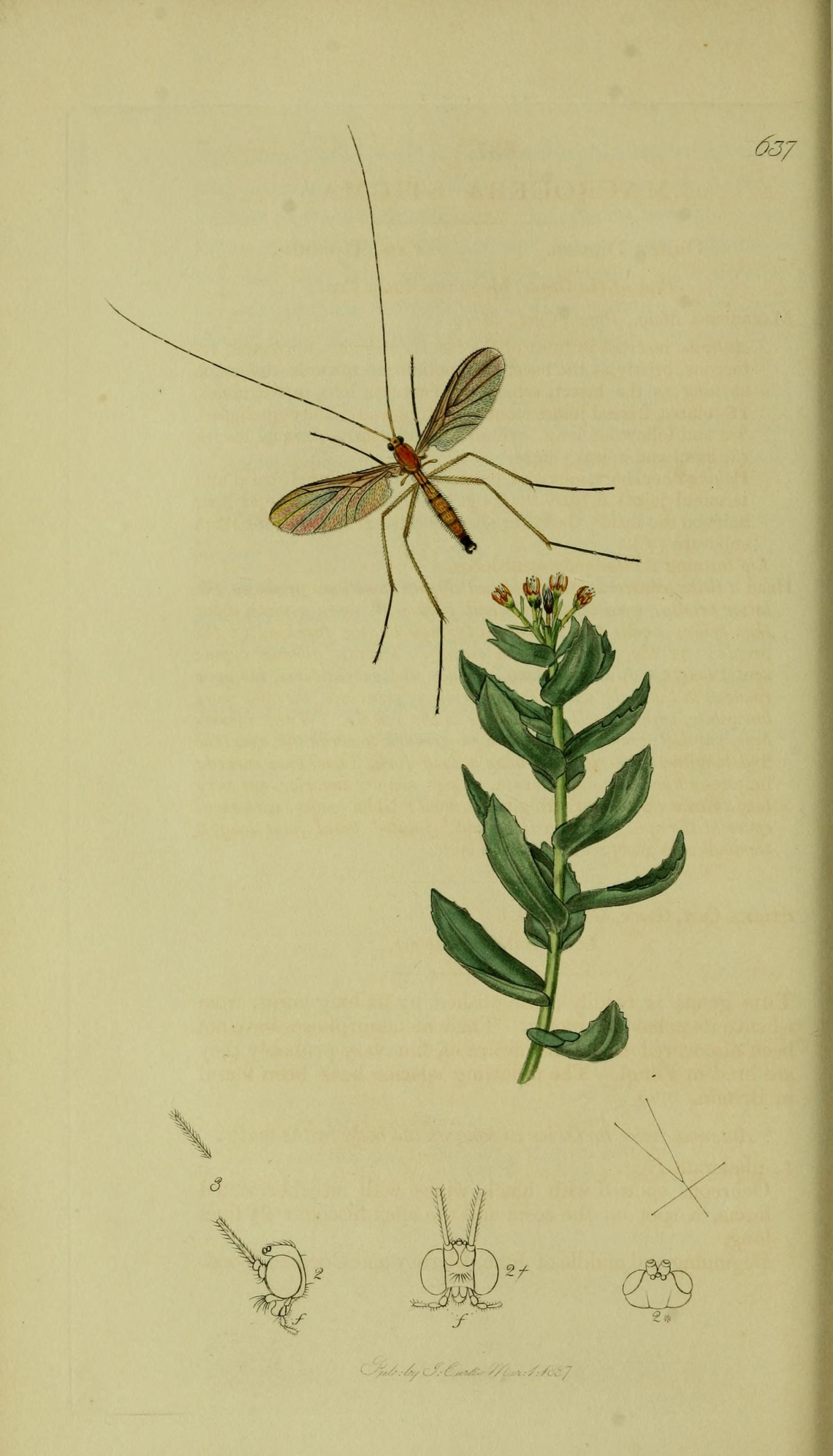
Low-growing succulent perennial with thick, fleshy leaves and small yellow flowers; forms dense rosettes and spreads via underground rhizomes.
roots
Thick, fleshy rhizome that smells like roses when cut; roots are golden-brown externally, yellowish-white internally, and can live for many decades.
stem
Short, thick stems 4-16 inches tall that emerge from the rhizome; stems are reddish and support rosettes of fleshy leaves.
leaves
Alternate, fleshy, blue-green leaves 1-3 inches long with serrated margins toward the tip; leaves are thick and waxy to conserve moisture in harsh conditions.
flowers
Small, four-petaled yellow flowers (occasionally red) in dense, flat-topped clusters; flowers are dioecious (male and female on separate plants) and bloom in summer.
fruits/seeds
Small, red follicles containing numerous tiny seeds; fruits develop from female flowers and ripen in late summer to fall.
Active Compounds
Traditional Uses
- Physical and mental fatigue reduction
- High altitude adaptation and oxygen utilization
- Depression and anxiety relief
- Sexual dysfunction and fertility enhancement
- Immune system strengthening
- Longevity and anti-aging
- Memory and cognitive enhancement
Modern Applications
- Adaptogenic stress response support
- Depression and anxiety management
- Athletic performance and endurance enhancement
- Cognitive function and mental clarity
- Fatigue syndrome treatment
- Altitude sickness prevention
- Immune system modulation
⚠️ Safety Information
Contraindications
- Bipolar disorder during manic episodes
- Severe hypertension (high doses)
- Pregnancy and breastfeeding (insufficient data)
Side Effects
- Overstimulation or agitation with high doses
- Insomnia if taken late in the day
- Dizziness or jittery feelings
- Dry mouth or excessive salivation
Drug Interactions
- Diabetes medications (may affect blood sugar)
- Blood pressure medications (may enhance effects)
- Antidepressants (potential interaction)
- Stimulant medications (may enhance effects)
Parts Used
- Rhizomes and roots (primary medicinal part)
- Occasionally aerial parts in traditional preparations
Preparation Methods
5-10 grams dried root per cup water, simmer 10-15 minutes
1-2 teaspoons powdered root per cup hot water, steep 10 minutes
1:5 ratio in 40% alcohol, 1-2 ml twice daily
200-400mg daily containing 3% rosavins and 1% salidroside
Root fermented in vodka for several weeks (Siberian tradition)
Related Plants
Ginseng
Panax ginseng
Ashwagandha
Withania somnifera
Chlorella
Chlorella vulgaris
Ashitaba
Angelica keiskei
Astragalus
Astragalus membranaceus
Cordyceps
Cordyceps militaris