Description
overall appearance
Slow-growing perennial herb reaching 12-24 inches tall with distinctive palmate compound leaves and a prized fleshy taproot.
roots
Thick, fleshy taproot that is cream to light brown externally, white internally, often resembling human form; develops slowly over 4-6 years to maturity.
stem
Single erect stem, smooth and green, arising from underground rhizome, topped with whorl of compound leaves.
leaves
Palmately compound leaves arranged in whorl of 3-5 at stem top; each leaf has 5 serrated leaflets that are ovate to oblong, 2-5 inches long.
flowers
Small, inconspicuous greenish-white flowers arranged in simple umbel; appears in 4th-5th year, blooms May-June.
fruits/seeds
Bright red berries containing 1-3 white seeds; ripen in late summer; birds disperse seeds naturally.
Active Compounds
Traditional Uses
- Traditional Chinese Medicine for qi deficiency, fatigue, weakness
- Adaptogen for stress resistance and longevity
- Cognitive enhancement and memory support
- Sexual health and fertility enhancement
- Immune system strengthening
- Recovery from illness and surgery
Modern Applications
- Stress adaptation and adrenal support
- Cognitive function and mental clarity enhancement
- Physical endurance and athletic performance
- Blood sugar regulation and diabetes support
- Immune system modulation
- Cardiovascular health improvement
- Anti-aging and longevity support
⚠️ Safety Information
Contraindications
- Acute infections or fever
- High blood pressure (use caution)
- Hormone-sensitive conditions (breast cancer, etc.)
- Pregnancy and breastfeeding
Side Effects
- Insomnia and restlessness with high doses
- Headaches and digestive upset
- Blood pressure changes
- Potential hypoglycemia
- Skin reactions in sensitive individuals
Drug Interactions
- Blood-thinning medications (warfarin)
- Diabetes medications (may enhance blood sugar lowering)
- Stimulant medications and caffeine
- Immunosuppressive drugs
- Hormone therapies
Parts Used
- Roots (4-6 years old minimum)
- Occasionally leaves and berries
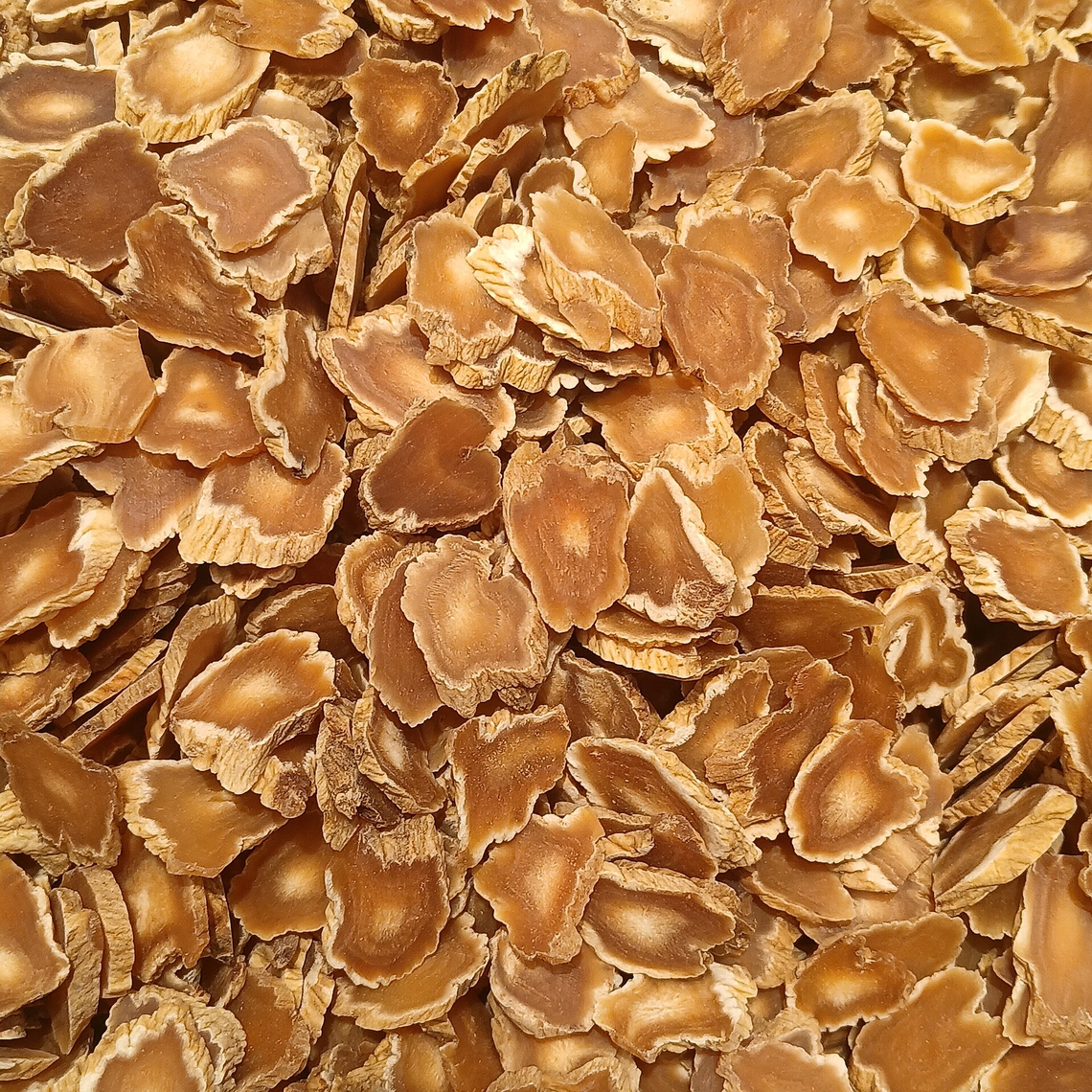
- White ginseng (air-dried) vs Red ginseng (steamed then dried)
Preparation Methods
1-2 grams sliced root per cup, steep 10-15 minutes
Traditional preparation simmered 1-2 hours
1:5 ratio in 40% alcohol, 1-2 ml twice daily
Ground root taken in capsules or mixed with food
Standardized ginsenoside concentrates
Related Plants
Eleuthero
Eleutherococcus senticosus
Ashwagandha
Withania somnifera
Chlorella
Chlorella vulgaris
Jiaogulan
Gynostemma pentaphyllum
Pelargonium / Umckaloabo
Pelargonium sidoides
Rhodiola
Rhodiola rosea