Peppermint
Mentha x piperita
Description
overall appearance
Perennial herb growing 1-3 feet tall with aromatic, serrated leaves and characteristic square stems typical of the mint family.
roots
Creeping rhizome system that spreads horizontally underground, forming extensive colonies; shallow fibrous roots.
stem
Square, erect stems that are smooth or slightly hairy, often purplish in color, branching in upper portions.
leaves
Opposite, ovate to lance-shaped leaves 1-3 inches long with serrated margins, dark green above and lighter beneath, highly aromatic when crushed.
flowers
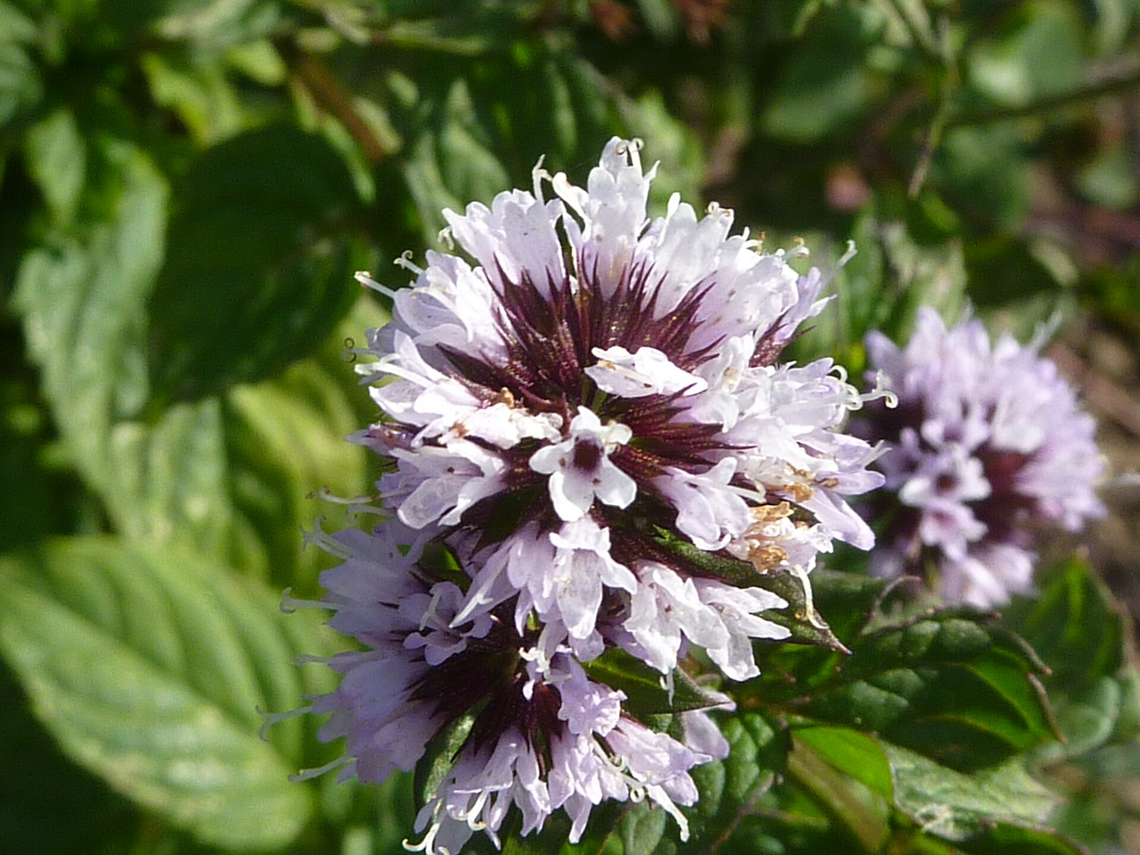
Small, purple to pink flowers arranged in terminal spikes; blooms July through September; often sterile due to hybrid nature.
fruits/seeds
Rarely produces viable seeds; propagated through runners and stem cuttings.
Active Compounds
Traditional Uses
- European folk medicine for digestive disorders, nausea, flatulence
- Respiratory conditions including colds, coughs, bronchitis
- Headache and tension relief
- Menstrual disorders and women's health
- Topical pain relief and cooling applications
- Breath freshening and oral health
Modern Applications
- Irritable Bowel Syndrome (IBS) symptom relief
- Digestive health and antispasmodic effects
- Respiratory decongestant and expectorant
- Topical pain relief and anti-inflammatory effects
- Antimicrobial and antifungal properties
- Mental clarity and alertness enhancement
- Nausea and motion sickness relief
⚠️ Safety Information
Contraindications
- Gastroesophageal reflux disease (GERD)
- Gallstones or bile duct obstruction
- Known allergy to menthol or mint family plants
- Infants and young children (essential oil)
Side Effects
- Heartburn or acid reflux with large amounts
- Allergic reactions in sensitive individuals
- Skin irritation with undiluted essential oil
- Potential interference with iron absorption
Drug Interactions
- Acid-reducing medications (may worsen GERD)
- Cyclosporine (may increase drug levels)
- Medications broken down by liver enzymes
Parts Used
- Leaves (fresh or dried)
- Essential oil distilled from aerial parts
- Whole aerial parts during flowering
Preparation Methods
1-2 teaspoons dried leaves per cup boiling water, steep 5-10 minutes
Steam distillation, 1-2 drops diluted for topical use
1:5 ratio in 45% alcohol, 2-4 ml three times daily
Few drops of oil in hot water for respiratory conditions
Fresh crushed leaves for topical pain relief
Related Plants
Basil
Ocimum basilicum
Cat's Whiskers / Java Tea
Orthosiphon aristatus
Catnip
Nepeta cataria
Linden / Tilia
Tilia cordata
Parsley
Petroselinum crispum
St. John's Wort
Hypericum perforatum