Description
overall appearance
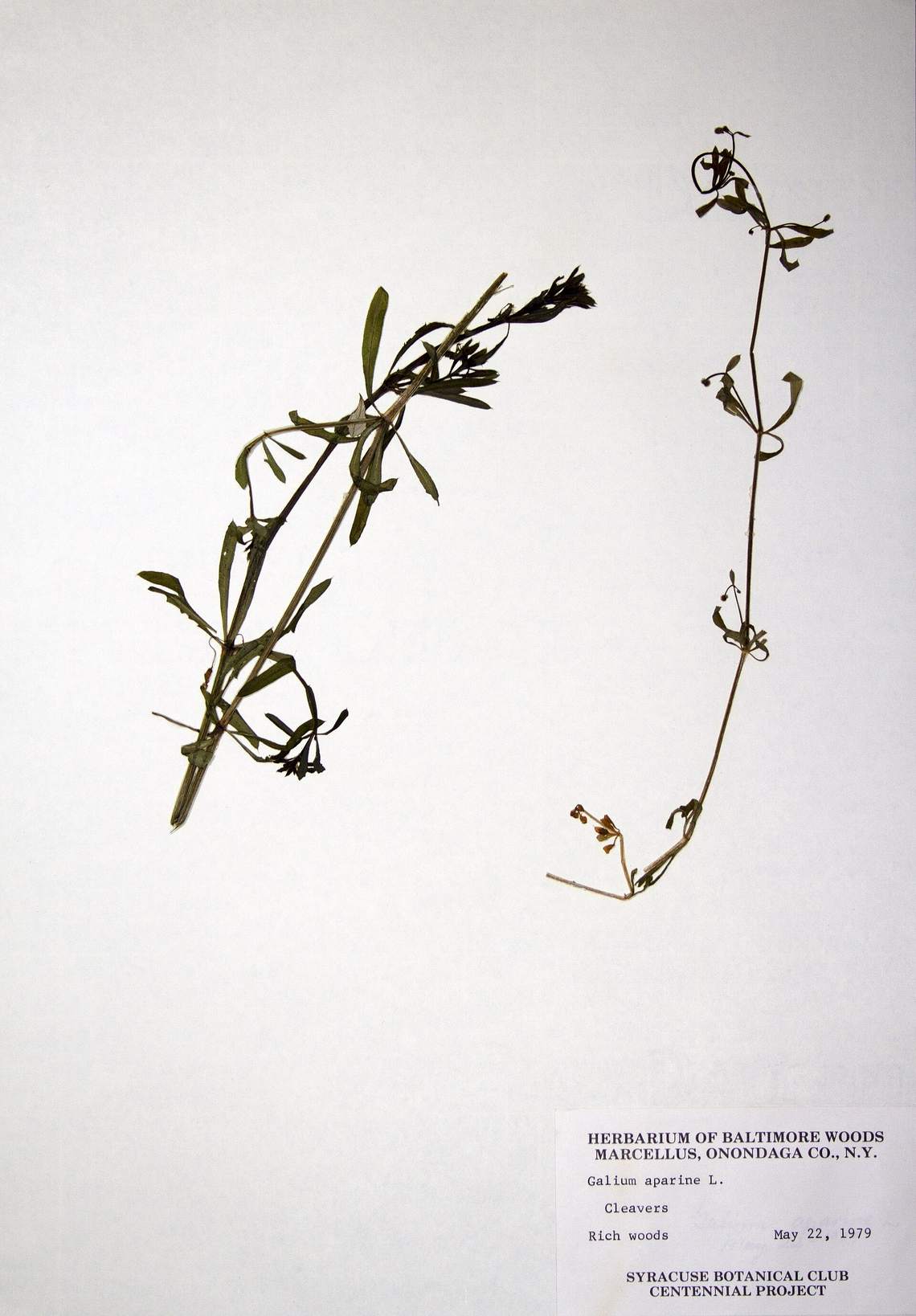
Cleavers is an annual climbing herb with weak, square stems that can reach 3-6 feet long, clinging to other plants for support.
roots
Shallow, fibrous root system adapted to quick establishment in disturbed or fertile soils.
stem
Square, weak stems are covered with backward-pointing bristles that help the plant cling to clothing and other vegetation.
leaves
Narrow, lance-shaped leaves are arranged in whorls of 6-8 around the stem. Leaves are also covered with tiny hooked bristles.
flowers
Tiny, white, four-petaled flowers appear in small clusters from leaf axils. Flowers are inconspicuous but numerous.
fruits/seeds
Two-seeded fruits are covered with hooked bristles that catch on clothing and animal fur for dispersal.
Active Compounds
Traditional Uses
- Lymphatic drainage and detoxification
- Urinary tract conditions and kidney support
- Skin conditions and eczema
- Spring tonic and blood cleanser
- Edema and water retention
- Wound healing and cuts
Modern Applications
- Lymphatic system support
- Natural diuretic for fluid retention
- Detoxification and cleansing protocols
- Anti-inflammatory for skin conditions
- Nutritional supplement (high chlorophyll and vitamins)
⚠️ Safety Information
Contraindications
- None known for typical use
- Avoid if allergic to plants in Rubiaceae family
- Large quantities may cause mild digestive upset
Side Effects
- Generally very well-tolerated
- Possible mild diuretic effect
- Rare skin irritation from fresh plant handling
Drug Interactions
- May enhance effects of diuretic medications
- Generally considered very safe
- No significant interactions reported
Parts Used
- Young aerial parts (stems, leaves, flowers)
- Fresh plant preferred over dried
Preparation Methods
Young plants juiced for spring tonic
2-3 tsp fresh herb per cup water, steep 10-15 minutes
Fresh crushed plant applied to wounds and skin conditions
1:2 ratio fresh plant in 25% alcohol
Young tips eaten raw in salads or cooked as potherb
Related Plants
Cat's Claw
Uncaria tomentosa
Noni
Morinda citrifolia
Partridge Berry
Mitchella repens
Alfalfa
Medicago sativa
Arjuna
Terminalia arjuna
Birch
Betula spp.