Description
overall appearance
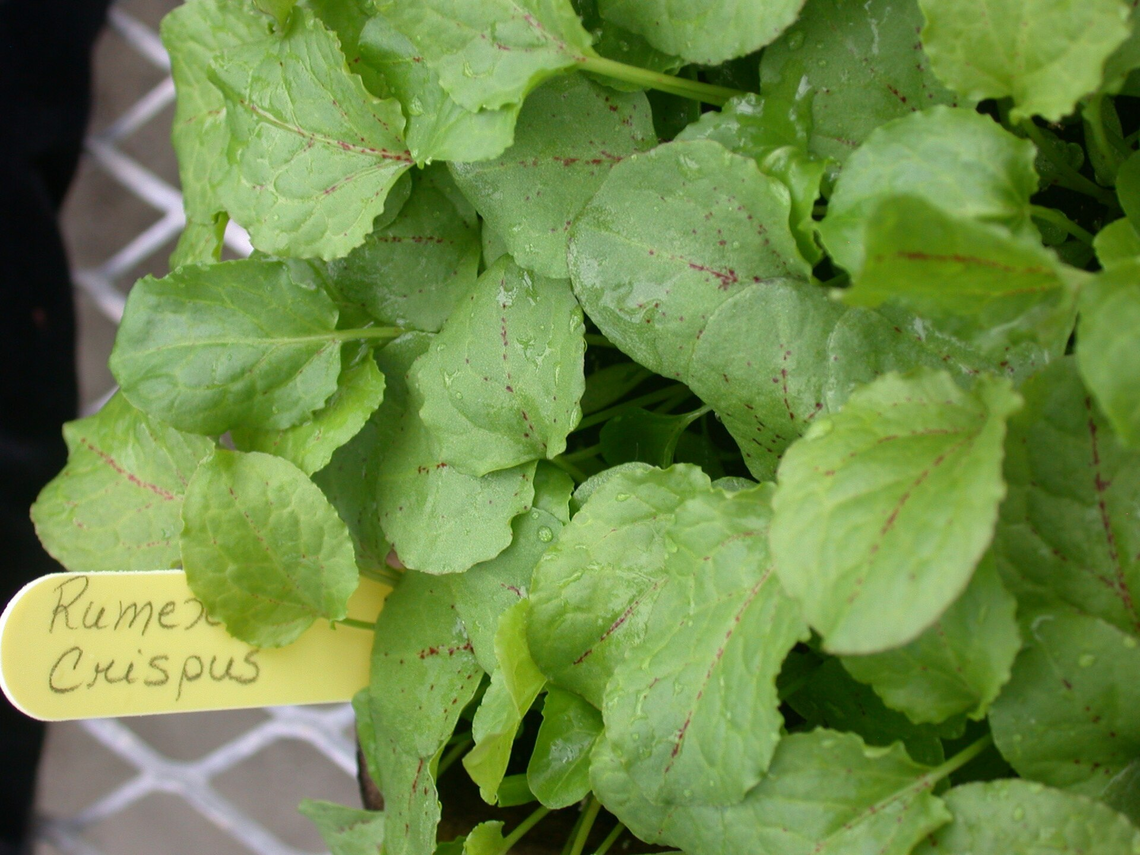
Perennial herb growing 2-4 feet tall with distinctive curly-edged leaves and tall flower spikes; forms deep taproot.
roots
Deep, yellow taproot extending 8-15 inches; thick and fleshy; contains orange-yellow compounds when cut.
stem
Erect, grooved stem; reddish-brown color; branching in upper portions during flowering.
leaves
Lance-shaped leaves 6-12 inches long with distinctly curled or wavy margins; alternate arrangement; reduced size up stem.
flowers
Small, greenish flowers arranged in dense, tall panicles; inconspicuous individually but showy in mass; appear in summer.
fruits/seeds
Three-winged brown fruits (achenes); papery wings aid in wind dispersal; persistent through winter.
Active Compounds
Traditional Uses
- Constipation and digestive sluggishness
- Iron deficiency anemia
- Skin conditions including eczema and psoriasis
- Liver congestion and detoxification
- Lymphatic system support
- Chronic inflammatory conditions
Modern Applications
- Gentle laxative and digestive support
- Iron supplementation for anemia
- Skin health and dermatological conditions
- Liver detoxification support
- Anti-inflammatory and antimicrobial effects
- Blood purification and lymphatic drainage
⚠️ Safety Information
Contraindications
- Kidney stones or history of oxalate stones
- Inflammatory bowel disease
- Pregnancy and breastfeeding
- Children under 12 years (due to anthraquinones)
Side Effects
- Diarrhea with excessive doses
- Electrolyte imbalance with prolonged use
- Kidney irritation in susceptible individuals
- Yellow discoloration of urine (harmless)
Drug Interactions
- Cardiac glycosides (digoxin) - may increase potassium loss
- Diuretic medications
- Blood-thinning medications (theoretical)
- Medications dependent on intestinal absorption
Parts Used
- Roots (primary medicinal use)
- Young leaves (culinary and mild medicinal)
- Seeds (occasionally for digestive issues)
- Fresh plant juice
Preparation Methods
1-2 teaspoons dried root per cup; steep 15-20 minutes
1 tablespoon chopped root per cup; simmer 20-30 minutes
1:5 ratio with 50% alcohol; macerate chopped fresh root 4-6 weeks
Fresh crushed root for topical skin applications
Dried root in carrier oil for topical anti-inflammatory use
Related Plants
He Shou Wu
Reynoutria multiflora
Licorice
Glycyrrhiza glabra
Aloe Vera
Aloe barbadensis
Arjuna
Terminalia arjuna
Neem
Azadirachta indica
Acai
Euterpe oleracea