Rootwork

Lemon Verbena

Aloysia citrodora

VerbenaceaeSouth America (Argentina, Chile, Uruguay)

Description

overall appearance

Lemon verbena is a deciduous shrub growing 6-10 feet tall with an open, leggy growth habit and intensely lemon-scented foliage.

roots

Deep taproot system with spreading lateral roots adapted to Mediterranean-type climates with dry summers.

stem

Woody stems are angular and rough-textured, often becoming quite gnarled with age. Young stems are green and herbaceous.

leaves

Lance-shaped leaves are 2-4 inches long, arranged in whorls of three or opposite pairs. Leaves are pale green with prominent veining and rough texture.

flowers

Tiny white to pale purple flowers are arranged in loose terminal panicles. Flowers are small but numerous and attractive to butterflies.

fruits/seeds

Small nutlets split into two parts when ripe. Seeds are rarely produced in cultivation outside native range.
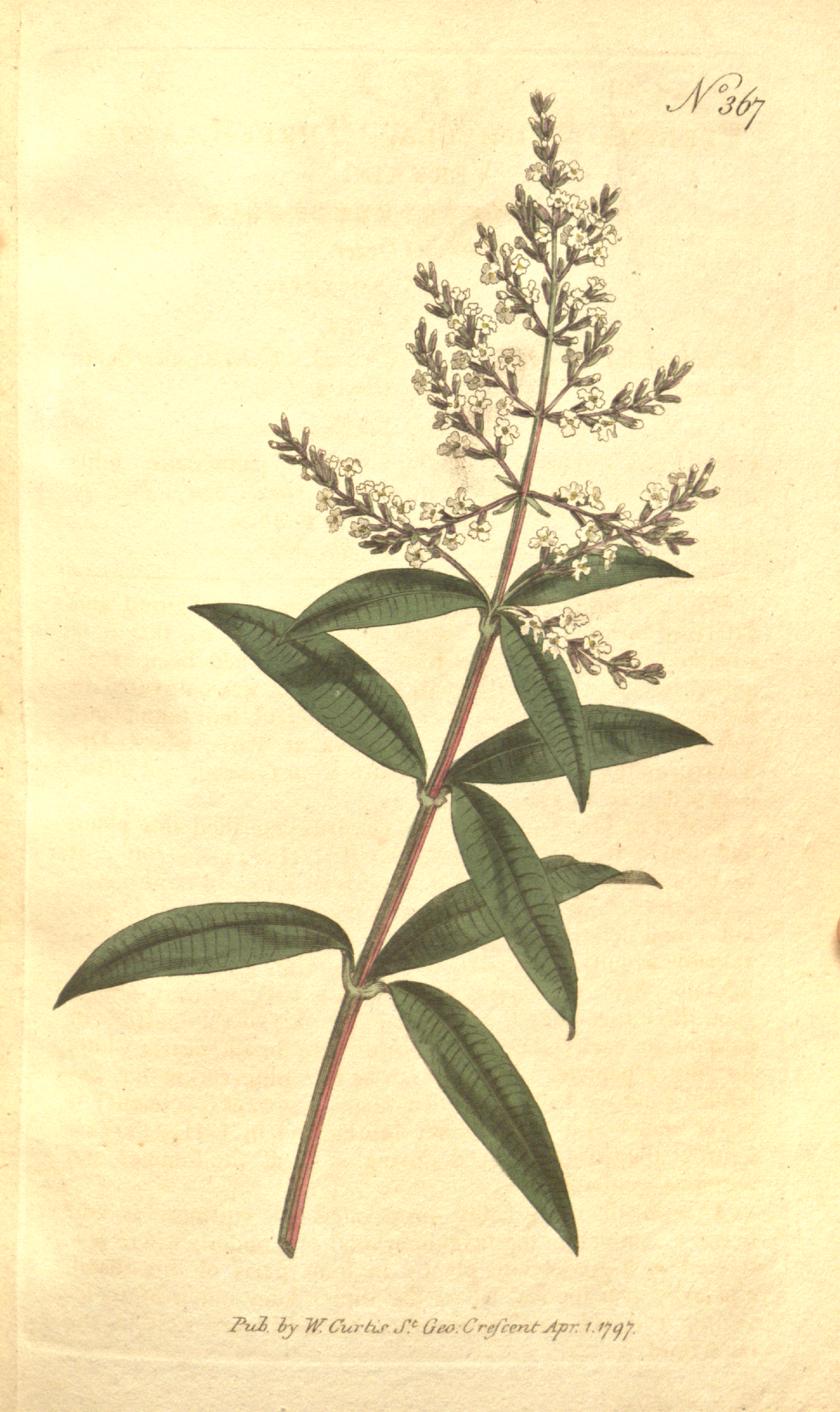
Botanical illustration of Lemon Verbena (Aloysia citrodora)

Active Compounds

Essential oils (citral, limonene, geraniol)Flavonoids (apigenin, luteolin, quercetin)Phenolic acids (caffeic acid, chlorogenic acid)Iridoid glycosides (verbenalin, hastatoside)TriterpenesVitamin C

Traditional Uses

  • Digestive ailments and stomach upset
  • Nervous tension and anxiety
  • Insomnia and sleep disorders
  • Fever reduction
  • Respiratory conditions
  • Skin conditions and wounds

Modern Applications

  • Natural calming and sleep aid
  • Digestive support and antispasmodic
  • Antioxidant supplementation
  • Aromatherapy and mood enhancement
  • Culinary flavoring and herbal teas

⚠️ Safety Information

Contraindications

  • Kidney disease (essential oils may be irritating)
  • Pregnancy in large medicinal doses (safe as culinary herb)
  • Severe liver disease

Side Effects

  • Generally very well-tolerated
  • Possible mild skin sensitivity in some individuals
  • Rare allergic reactions
  • Large doses may cause stomach upset

Drug Interactions

  • No significant interactions reported
  • May enhance effects of sedative medications
  • Generally considered very safe

Parts Used

  • Leaves (fresh or dried)
  • Flowering tops

Preparation Methods

1-2 tsp dried leaves per cup water, steep 5-10 minutes

1:5 ratio in 40% alcohol, 2-4 ml three times daily

Steam distilled for aromatherapy applications

Strong infusion added to bathwater for relaxation

Fresh leaves used in teas, desserts, and beverages

Related Plants

Blue Vervain

Verbena hastata

Verbenaceae
Iroquois, Ojibwe, and other Algonquian peoples used blue vervain as a bitter tonic for digestive complaints and as a liver herbCherokee traditional medicine used root decoctions for stomach ailments, suppressed menstruation, and to expel wormsEastern Woodland tribes used blue vervain poultices for headaches, rheumatic joints, and skin eruptions

Lemongrass

Cymbopogon citratus

Poaceae
Ayurvedic tradition uses lemongrass (bhustrina) for fever, respiratory infections, and digestive disorders; one of the classical fever herbsThai and Southeast Asian folk medicine uses lemongrass tea for colds, flu, stomach problems, and headachesBrazilian traditional medicine uses capim-limão (lemongrass) tea for anxiety, insomnia, and hypertension

Oregano

Origanum vulgare

Lamiaceae
Respiratory conditions (coughs, bronchitis, asthma)Digestive disorders and poor appetiteMenstrual irregularities and painful periods

Violet

Viola odorata

Violaceae
Respiratory conditions and coughsSkin conditions and inflammationEye irritations and conjunctivitis

Andrographis

Andrographis paniculata

Acanthaceae
Ayurveda: Kalmegh — liver tonic, bitter digestive, antimalarial, and anti-infective; used in Kalmegh asava and other classical formulasTCM: Chuan Xin Lian — clears heat and toxins; used for upper respiratory infections, sore throat, and dysenteryThai traditional medicine: Fah Talai Jon — treatment of fever, cold, flu, and infections; widely sold as OTC herbal supplement in Thailand

Ashitaba

Angelica keiskei

Apiaceae
Hachijojima Island tradition: consumed daily as a longevity vegetable by the famously long-lived island population; 'tomorrow's leaf' symbolizing vitality and renewalTraditional Japanese Kampo medicine: used for general debility, blood purification, and to invigorate the body; classified as warming and tonifyingTraditional use in Izu Islands for colds, fever reduction, and respiratory infections
Disclaimer: For educational purposes only. This is not medical advice. Always consult a qualified healthcare provider.