Description
overall appearance
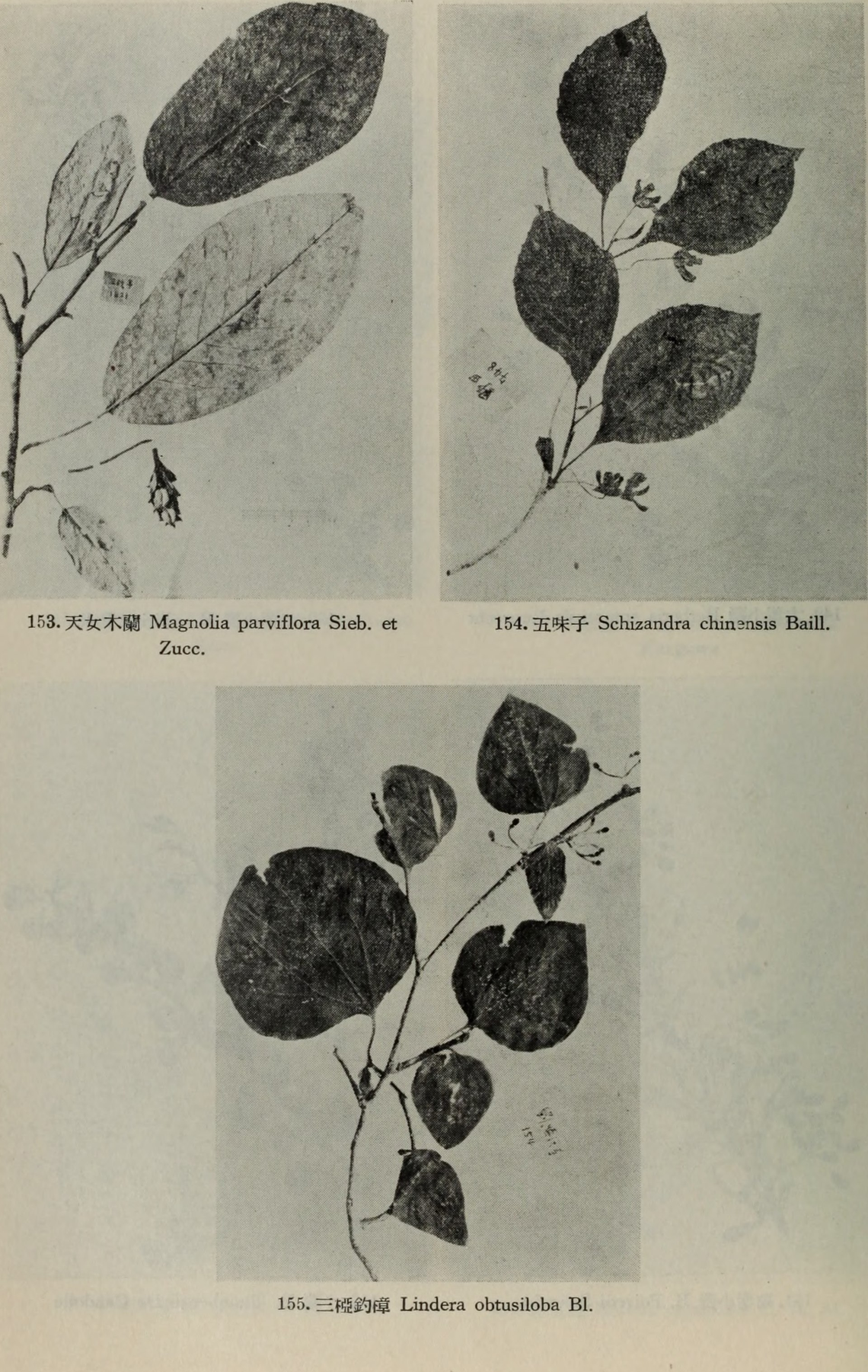
Deciduous woody vine growing 15-25 feet long with alternating leaves and clusters of small, fragrant flowers followed by bright red berries.
roots
Extensive root system with a main taproot and spreading lateral roots; roots are yellowish-brown and have an aromatic, slightly bitter taste.
stem
Climbing woody vine with smooth, reddish-brown bark; stems twine around supports and can reach several inches in diameter at the base.
leaves
Alternate, oval to elliptical leaves 2-4 inches long with serrated margins; leaves are bright green, turning yellow in autumn before dropping.
flowers
Small, fragrant, cream to pink flowers about 1/2 inch across; plants are dioecious (male and female flowers on separate plants); flowers bloom in late spring.
fruits/seeds
Bright red, berry-like fruits arranged in drooping clusters; each berry contains 1-2 kidney-shaped seeds and has a complex flavor profile combining all five tastes.
Active Compounds
Traditional Uses
- Liver protection and regeneration
- Lung disorders and chronic cough
- Kidney weakness and frequent urination
- Mental fatigue and poor concentration
- Excessive sweating and night sweats
- Sexual dysfunction and infertility
- Insomnia and restless sleep
Modern Applications
- Hepatoprotective effects and liver regeneration
- Adaptogenic stress response support
- Cognitive enhancement and mental clarity
- Athletic performance and endurance
- Immune system modulation
- Anti-aging and longevity support
- Detoxification and antioxidant protection
⚠️ Safety Information
Contraindications
- Pregnancy and early breastfeeding (traditional contraindication)
- High fever or acute infections
- Hypertension (may increase blood pressure in some individuals)
- Gastroesophageal reflux disease (may worsen symptoms)
Side Effects
- Heartburn or acid reflux (due to organic acids)
- Allergic skin reactions in sensitive individuals
- Decreased appetite (rare)
- Insomnia if taken late in the day
Drug Interactions
- Liver medications (may affect metabolism)
- Tacrolimus and cyclosporine (may affect levels)
- Warfarin (may affect blood clotting)
- CYP3A4 substrates (may affect drug metabolism)
Parts Used
- Berries/fruits (primary medicinal part)
- Seeds (concentrated active compounds)
- Occasionally stems and roots
Preparation Methods
3-9 grams dried berries per day, simmered 15-20 minutes
Berries fermented in wine for several weeks (traditional preparation)
1-3 grams powdered berries daily
500-2000mg daily of concentrated extract
1-2 teaspoons dried berries per cup hot water, steep 10-15 minutes
Related Plants
Star Anise
Illicium verum
Rehmannia
Rehmannia glutinosa
Cordyceps
Cordyceps militaris
He Shou Wu
Reynoutria multiflora
Tribulus
Tribulus terrestris
Arjuna
Terminalia arjuna