Description
overall appearance
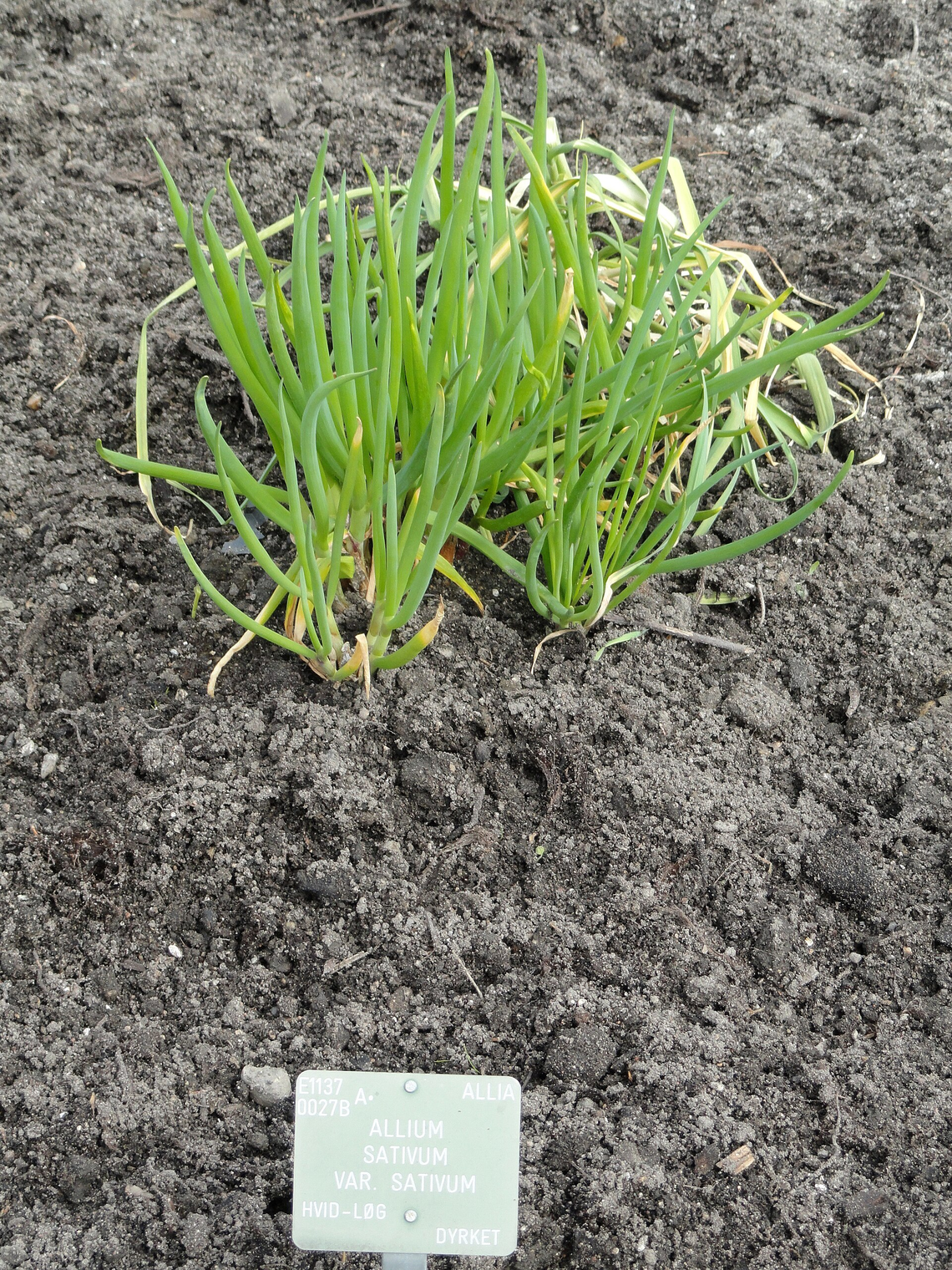
Perennial bulbous herb growing 12-36 inches tall with flat, strap-like leaves and underground bulbs composed of multiple cloves.
roots
Shallow fibrous root system extending from the base of the bulb; roots are white and relatively sparse.
stem
Pseudostem formed by leaf sheaths; true stem is compressed into the bulb plate at the base of the bulb.
leaves
Flat, linear leaves 12-18 inches long and 0.5-1 inch wide, blue-green in color with parallel venation; leaves emerge alternately from the bulb.
flowers
Rarely flowers in cultivation; when present, small white to pinkish flowers appear in terminal umbels on tall stalks (scapes) up to 3 feet high.
fruits/seeds
Rarely produces viable seeds; propagated through individual cloves (bulbils).
Active Compounds
Traditional Uses
- Ancient Egyptian, Greek, and Roman medicine for infections, wounds
- Traditional Chinese Medicine for yang deficiency, parasites
- European folk medicine for respiratory infections, high blood pressure
- Antimicrobial and antiparasitic applications
- Cardiovascular health and circulation improvement
- Digestive disorders and gastric health
Modern Applications
- Cardiovascular disease prevention and management
- Antimicrobial effects against bacteria, viruses, fungi
- Immune system support and enhancement
- Cholesterol and blood pressure reduction
- Cancer prevention (especially gastric and colorectal)
- Antioxidant and anti-inflammatory effects
⚠️ Safety Information
Contraindications
- Bleeding disorders or before surgery
- Active gastric ulcers or gastritis
- Known allergy to garlic or other Allium species
Side Effects
- Digestive upset, heartburn, gas with large amounts
- Body and breath odor
- Skin irritation with topical use
- Potential hypoglycemia and hypotension
Drug Interactions
- Blood-thinning medications (may enhance anticoagulant effects)
- HIV medications (may reduce effectiveness)
- Diabetes medications (may enhance blood sugar lowering)
- Blood pressure medications
Parts Used
- Bulbs (fresh cloves preferred)
- Aged garlic preparations
- Essential oil (limited use due to potency)
Preparation Methods
1-3 raw cloves daily, crushed or chopped
Rarely used due to destruction of active compounds
1:5 ratio in 45% alcohol, 2-4 ml three times daily
Crushed garlic in olive oil for topical use
Fermented garlic extracts with reduced odor
Related Plants
Coptis / Goldthread
Coptis chinensis
Dill
Anethum graveolens
Hemp / CBD
Cannabis sativa
Parsley
Petroselinum crispum
Sea Buckthorn
Hippophae rhamnoides
Spearmint
Mentha spicata